
Late updated: 06 Jan 2026 15:01
Written by: Elena Prescott
Strengthening Security With Biometric Door Locks: Enhancing Protection and Convenience
In today's fast-paced world, safeguarding our personal and professional spaces is more important than ever. As traditional keys and passcodes present a multitude of vulnerabilities, biometric door locks provide a smarter and more secure alternative. These innovative systems use unique biological features such as fingerprints and facial recognition, ensuring that only authorised individuals can gain access.
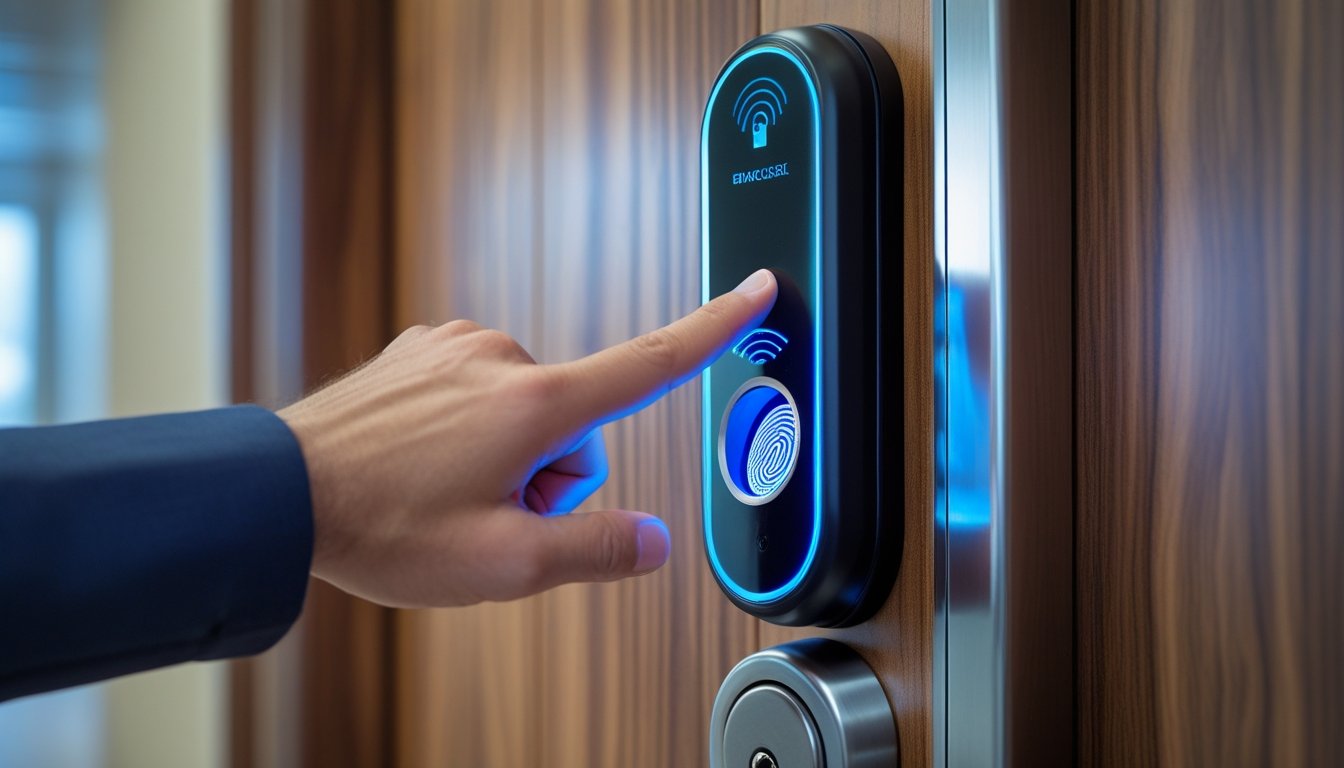
The appeal of biometric locks lies in their ability to marry convenience with top-notch security. They eliminate the stress of lost keys or forgotten passwords, granting nearly instant access through advanced identification technologies. Beyond just security, these locks seamlessly integrate with smart home systems, offering sophisticated user management features.
As we venture into this fascinating technology, we explore its core attributes and common user queries. Understanding the benefits and potential limitations of biometric door locks can empower us to make informed decisions that enhance the security of our environments.
Key Takeaways
- Biometric locks provide secure and convenient access control.
- These systems offer seamless integration with smart homes.
- Core technologies include fingerprint and facial recognition.
Core Technologies and Security of Biometric Door Locks
Biometric door locks provide advanced security by integrating unique physiological characteristics into access control systems. They eliminate the need for traditional keys, utilising features like fingerprint and facial recognition to offer secure, convenient entry. The underlying technology is designed to enhance protection and prevent unauthorised access.
Biometric Locking Mechanisms: From Fingerprint Recognition to Iris Scanning
Biometric locks employ sophisticated recognition technologies, ranging from fingerprint recognition to iris scanning. Fingerprint scanners capture the unique patterns of ridges on a user's finger, creating a digital map used for identity verification. Similarly, facial recognition systems analyse a person’s facial structure, while iris scans rely on the distinctive patterns of the iris. This diversity in technology makes biometric locks suitable for different security needs and ensures robust protection against unauthorised access. Voice recognition can also be used, adding another layer of security. We believe it's crucial to include liveness detection algorithms to prevent spoofing attempts. These mechanisms increase the reliability and security of biometric systems, ensuring only legitimate users gain entry.
Keyless Entry and User Authentication Processes
Keyless entry is a standout advantage of biometric locks. It removes the hassle of carrying physical keys, instead using biometric authentication for identity verification. Users simply scan their fingerprint or allow facial recognition technology to verify their identity. Successful authentication grants immediate access, streamlining the entry process. The sophisticated user authentication process ensures that personal characteristics remain secure, making it a preferred choice for individuals and businesses seeking high security levels. This technology mitigates the risk of lock picking or code hacking, common in other systems. Our implementation focusses on ensuring that the user experience is seamless and the systems are user-friendly.
Secure Access and Encrypted Biometric Templates
Biometric door locks utilise encrypted biometric templates to store and process user data. Instead of storing actual images or raw data, personal characteristics are transformed into encrypted templates. This encryption enhances security by safeguarding sensitive user information from potential breaches. Encrypted templates add a layer of protection, ensuring that even if intercepted, data cannot be easily manipulated or compromised. Secure access is guaranteed through sophisticated encoding techniques, which prevent unauthorised personnel from decoding the biometric data. Firmware updates play a crucial role in maintaining the security of the system, allowing us to implement the latest security protocols and protection measures.
Real-Time Access Monitoring and Tamper Protection
Real-time access monitoring is a critical feature, offering insights into who is accessing the lock and when. This enables continuous oversight, allowing property owners to track entries and detect any anomalies. In cases of tampering or forced entry attempts, tamper alerts and alarms are triggered, ensuring immediate responses to potential security breaches. AI-powered anti-spoofing technologies are integrated, detecting any fraudulent access attempts with a high level of accuracy. These features ensure the system remains vigilant, contributing to an environment of ongoing security and assurance. Continuous monitoring, combined with advanced technological safeguards, guarantees that biometric door locks remain a reliable choice for secure access control.
Smart Features, Integration, and User Management
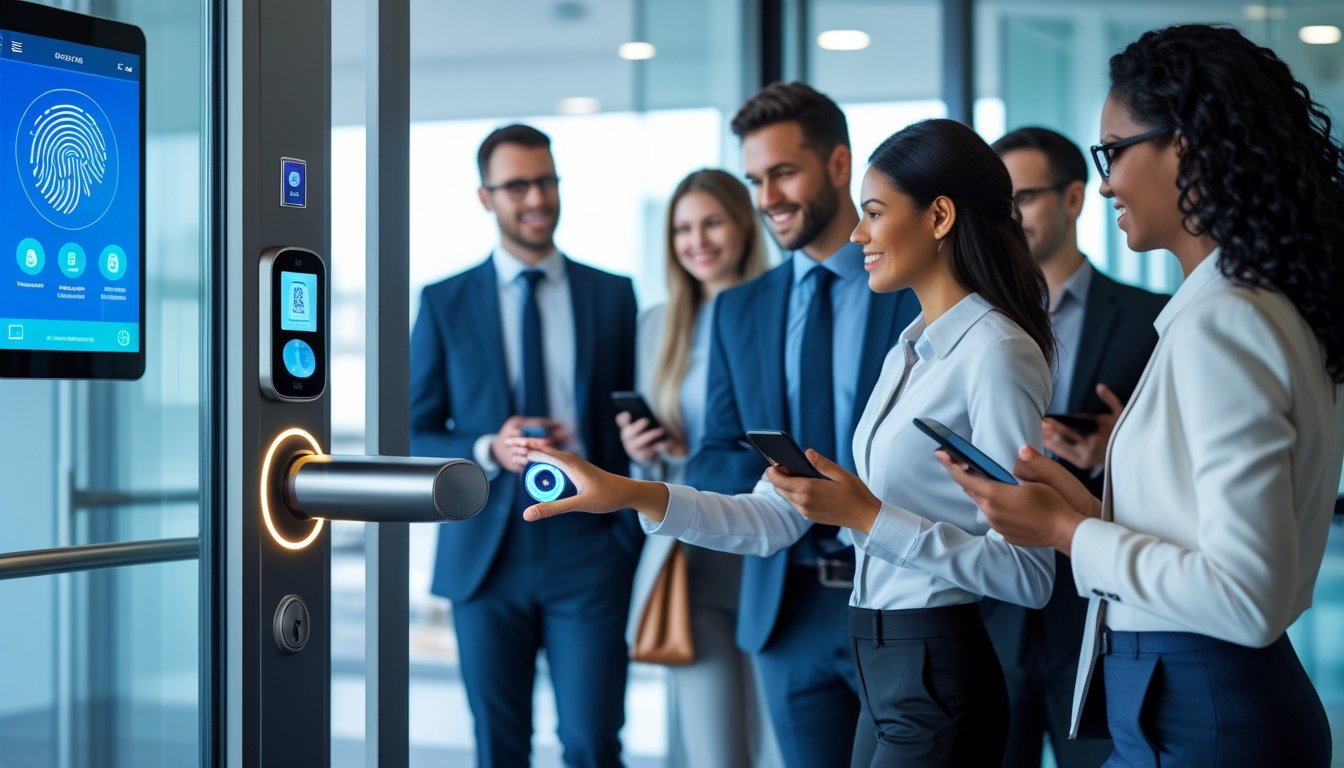
Biometric door locks are transforming security by integrating advanced technology and user management systems. They not only enhance security through technologies like remote access and multi-factor authentication but also offer seamless integration with smart home ecosystems, allowing users to manage access efficiently.
Remote Access, Notifications, and Home Automation Integration
Smart locks equipped with remote access capabilities allow users to unlock doors from anywhere using smartphones or other connected devices. This feature is particularly beneficial for monitoring and managing entry to homes or businesses without needing to be onsite. Real-time notifications about door status can alert users immediately of any unauthorised access attempts, further enhancing security measures.
Integration with home automation systems allows biometric smart locks to function with other smart devices. This means actions such as automatic lighting or setting security alarms when doors are locked can be automated. These smart features provide a higher level of convenience and security, establishing more comprehensive control over the environment.
Access Management and User Capacity
Biometric security systems excel in access management and user capacity, accommodating multiple users with distinct access rights. Our systems are designed to manage extensive access logs, making it easy to track who enters and exits the premises. This capability is enhanced by audit trails that document access times, providing critical information for security reviews.
The entry capacity of biometric smart locks is significant. These systems can accommodate multiple profiles, ensuring each individual has a customised access method, whether through fingerprint, voice recognition, or RFID cards. With efficient user management, property owners can add or remove users easily, maintaining control over who has access.
Multi-Factor and Behavioural Biometric Security
To bolster security, smart locks incorporate multi-factor authentication. We observe that combining traditional biometric identifiers with secondary measures such as PIN codes or RFID cards increases protection against unauthorised access. The inclusion of behavioural biometrics like gait recognition provides additional security layers by assessing unique behavioural patterns.
These complex layers of security ensure that even if one method is compromised, access remains restricted unless all criteria are met. Multi-factor systems represent the future of home security, enhancing the robustness of our biometric door locks.
Suitability for Homes and Businesses
Biometric smart locks are suitable for both residential and commercial applications due to their advanced security and adaptability. For home security, these locks provide peace of mind by ensuring that entry is restricted to authorised individuals. Their ability to integrate with existing smart home systems enhances their appeal to tech-savvy homeowners.
Businesses benefit from the robust access management features, allowing them to secure sensitive areas without hassle. With functionalities like user-specific access levels and detailed logs, these systems provide both security and efficiency. Kwikset Halo Touch and similar models stand out in residential and commercial scenarios, offering reliable, advanced security solutions suitable for a variety of needs.
Frequently Asked Questions
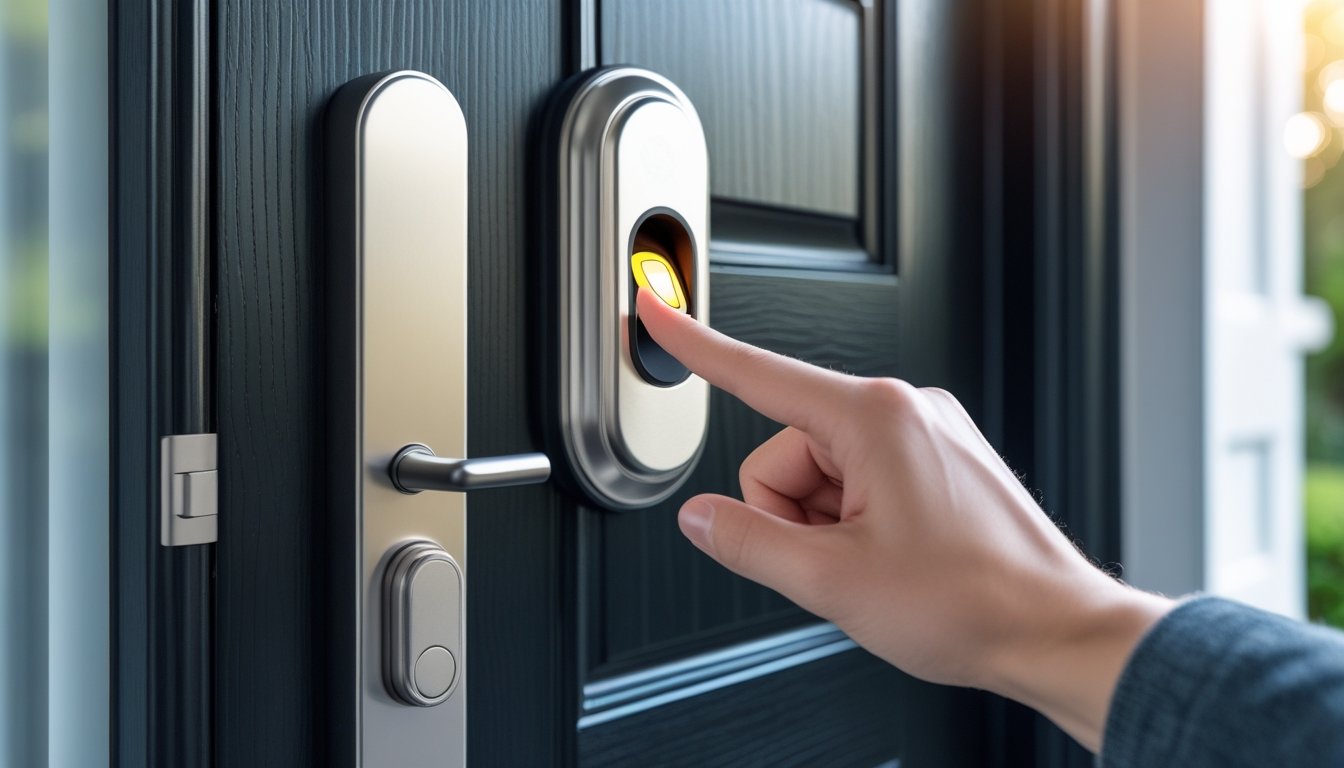
Biometric door locks offer significant benefits in terms of convenience and security. By utilising advanced technology, these systems eliminate the need for keys and codes and ensure secure access through unique biological features.
What are the main advantages of using biometric door locks over traditional lock systems?
Biometric door locks eliminate the issues associated with lost keys and forgotten passcodes, offering a seamless access experience. They provide enhanced security by using unique biometric data, such as fingerprints or facial recognition, making them difficult to breach compared to conventional locks.
How do biometric door locks enhance personal security in residential properties?
In residential settings, biometric door locks add an extra layer of protection by ensuring that only authorised individuals can enter. The technology is particularly effective at deterring unauthorised access attempts, as it requires a precise biological match for entry.
In what ways can biometric access control systems be integrated with existing security measures in a commercial setting?
In commercial environments, biometric access control can be integrated with existing security systems such as CCTV and alarm systems. This integration allows for comprehensive monitoring and control, triggering alerts if unauthorised attempts are detected.
What types of biometric data can be used for authenticating access through biometric door locks?
There are several types of biometric data used for authentication, including fingerprints, facial recognition, iris scans, and voice patterns. Each type offers a different level of security and convenience, catering to various access scenarios and user preferences.
How reliable are biometric door locks in terms of accuracy and false acceptance or rejection rates?
Biometric door locks have significantly improved in accuracy, with low false acceptance and rejection rates. Advances in sensor technology and algorithms contribute to their reliability, making these systems both secure and user-friendly.
What measures are in place to protect the privacy of individuals using biometric door lock systems?
Manufacturers use encryption and secure data storage practices to protect biometric information from unauthorised access. Additionally, many systems ensure that biometric data is stored locally on the device rather than on cloud servers, further safeguarding personal privacy.