
Late updated: 11 Dec 2025 12:12
Written by: Elena Prescott
Protecting Your Home With Advanced Locking Solutions: Ensuring Optimal Security
In today's world, home security is a paramount concern, and the advancements in locking solutions have made it significantly easier to fortify our residences. Modern lock technology blends traditional security measures with innovative features like smart locks, keyless entry systems, and electronic door solutions, providing heightened peace of mind. These advancements not only deter potential break-ins but also offer ease of access and monitoring, making them an invaluable component in protecting our homes.
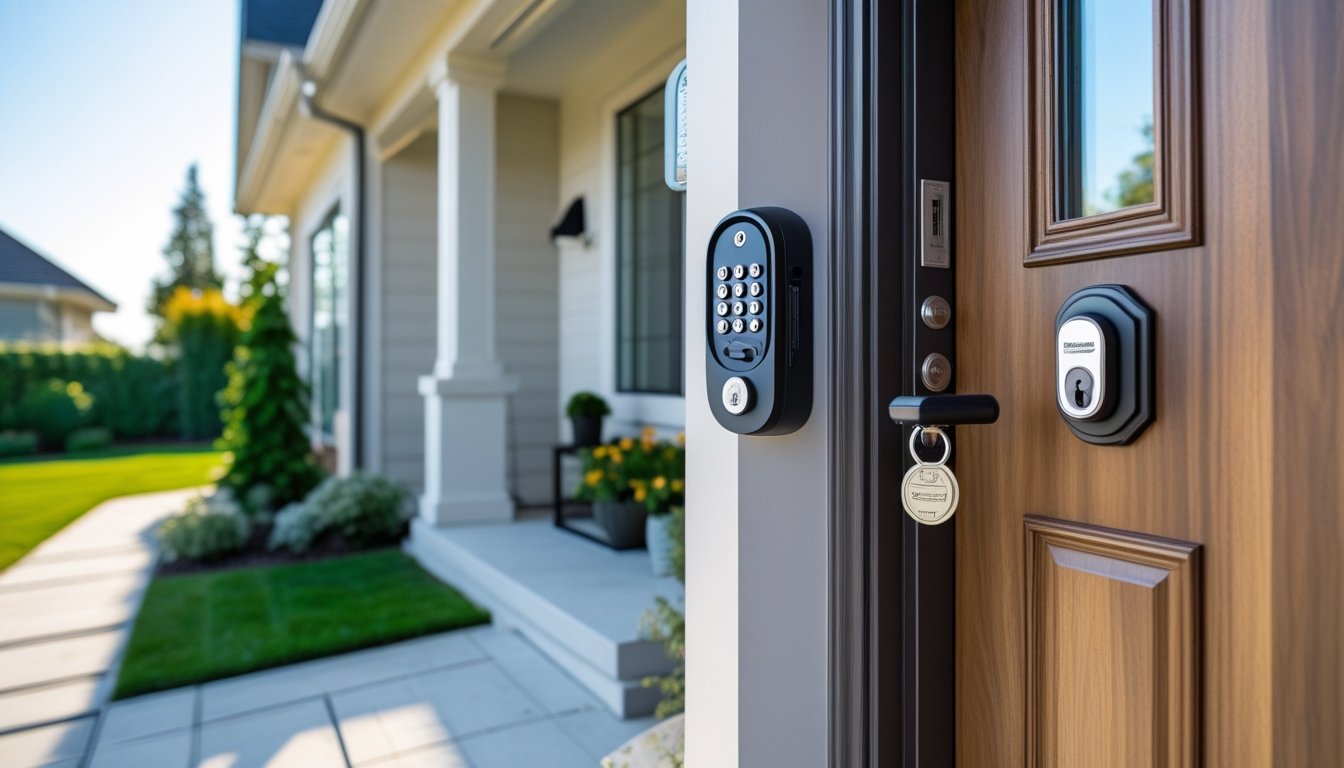
Our quest for improved security starts with understanding the capabilities of advanced locking solutions. These systems offer more than just mechanical protection; they integrate seamlessly with smart home devices, offering features like remote access, personalised entry codes, and real-time alerts. By embracing these technologies, we can enhance our home's defences while enjoying convenient access options tailored to our lifestyles.
Key Takeaways
- Advanced locks enhance security with technology.
- Smart systems provide convenience and monitoring.
- Integration boosts safety and ease of use.
Understanding Advanced Locking Solutions for Home Protection
Advanced locking solutions are revolutionising how we protect our homes, offering a blend of enhanced security features and modern convenience. By incorporating these sophisticated mechanisms, homeowners can significantly increase the level of protection against unauthorised access.
Key Features of High-Security Door Locks
High-security door locks come equipped with a variety of innovative features designed to thwart potential intruders and safeguard our homes. One prominent feature is the use of multi-point locking systems, which secure doors at multiple points along the frame, making them much harder to force open. Many high-security locks also incorporate drill-resistant housings and pick-resistant cylinders, offering added layers of defence against tampering. Smart locks are another notable advancement, enabling keyless entry through methods such as biometric recognition, keypad codes, or mobile apps. This not only enhances security but also adds an element of convenience for everyday use.
The Evolution of Home Access Control
The transition from traditional keys to sophisticated access control systems signifies a major shift in home security strategies. Early models focused on simple mechanical changes, but modern solutions have introduced digital enhancements that allow remote monitoring and control of home entry points. Wireless technology plays a crucial role, enabling homeowners to manage access through smartphones or the internet, providing real-time updates and alerts. Integration with smart home systems is another evolution, allowing seamless connectivity with other security components like cameras and alarms, creating a comprehensive security network. This progression not only offers increased control over who can access a property but also improves the ability to respond to potential threats swiftly.
Choosing the Right Security Solutions for Your Property
Selecting the appropriate security solution requires a thorough understanding of specific property needs. Factors such as location, property layout, and personal security concerns will influence the choice of systems. For instance, properties in urban areas might benefit from integrated systems that combine surveillance cameras with high-security locks and sensor-activated alarms. In contrast, rural properties might prioritise robust door locks and motion sensors due to distance and accessibility concerns. Budget constraints are also a consideration; some may prefer a hybrid approach, mixing traditional locks with strategic technological upgrades to balance cost and effectiveness. By carefully evaluating these factors, we can ensure that the chosen security solutions provide optimal protection tailored to our properties' unique requirements.
Implementing Advanced Locking Systems Effectively
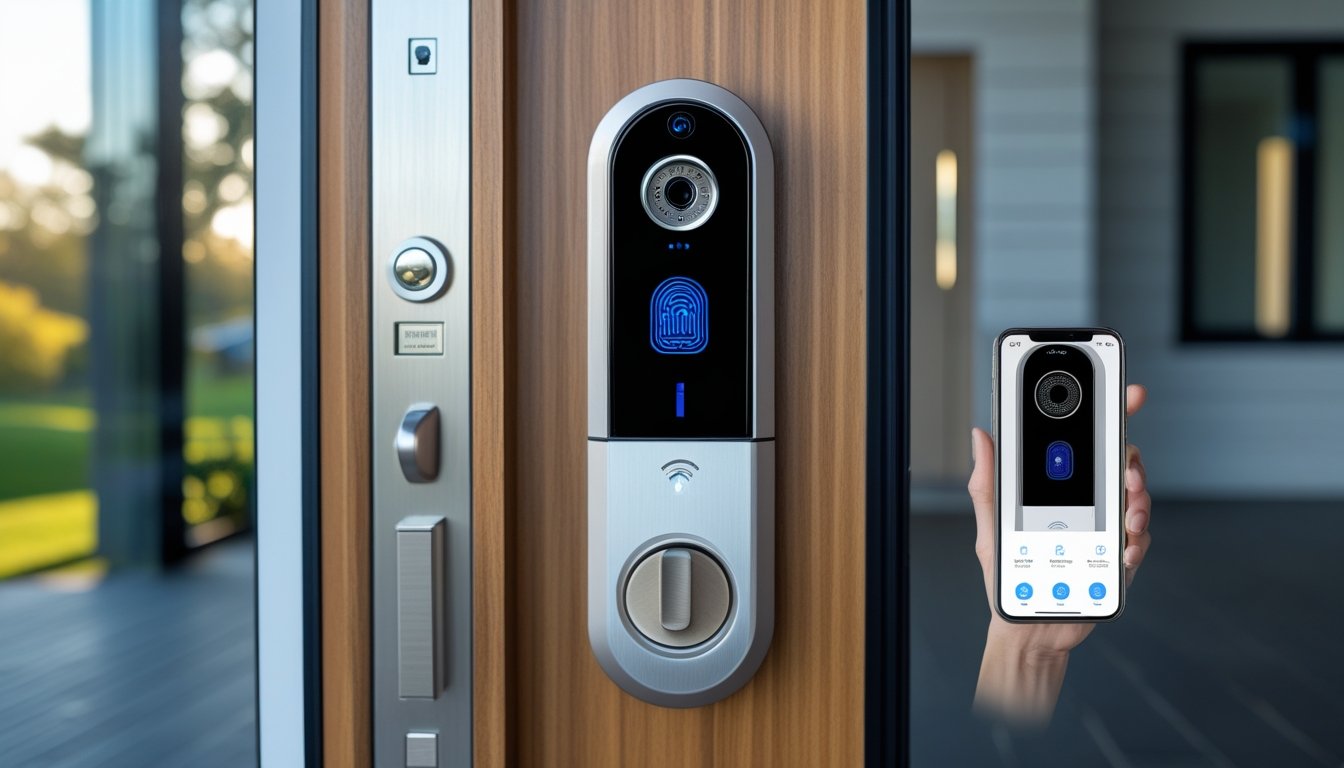
Incorporating advanced locking solutions into our homes involves selecting suitable technologies and ensuring seamless integration. This includes understanding modern access controls, the significance of professional installations, and incorporating smart home technologies for comprehensive security.
Modern Access Control Systems for Residences
Modern access control systems offer sophisticated means to manage entry into residential properties. These systems include electronic locks, keyless entry pads, and remote access options that enhance security and convenience. Access control systems allow us to grant or deny access remotely, monitor entry points, and integrate seamlessly with existing security frameworks.
Electronic locks and biometric systems, such as fingerprint recognition, are becoming increasingly popular. These technologies reduce the likelihood of unauthorized access while offering the added benefit of not needing physical keys. Users can often manage these systems via smartphone apps, which allow for real-time alerts and updates. With these advancements, we can elevate our home's security while maintaining user-friendly operations.
Importance of Professional Installation in Security
Professional installation plays a critical role in the effectiveness of advanced locking systems. Skilled technicians ensure that all components are correctly fitted, aligned, and fully operational, which is essential for maximising security features. Poorly installed systems can lead to vulnerabilities, such as misalignments that prevent locks from engaging properly or software misconfigurations that could be exploited.
Engaging a professional installation service also provides us with reassurance and support. Professionals are equipped with the necessary tools and knowledge to handle complex systems and troubleshoot issues effectively. Additionally, they often offer warranties and maintenance services as part of their packages. This ensures that our systems remain in optimal condition and any potential issues are promptly addressed.
Integrating Access Control with Smart Home Technology
Integrating access control systems with smart home technology presents us with enhanced control and security capabilities. Smart home technology enables us to create a cohesive ecosystem where devices communicate effectively. Advanced locks can sync with smart lighting, alarms, and cameras to create automated responses to security breaches, such as turning on lights or activating cameras when suspicious activity is detected.
Moreover, voice-activated assistants can be utilised to manage access, offering another layer of convenience. For example, we can lock or unlock doors with simple voice commands or schedule automatic locking routines. This technology not only adds convenience but enhances security by ensuring all entry points are secured without manual intervention. Integrating these systems ensures that our security measures evolve alongside technological advancements.
Frequently Asked Questions
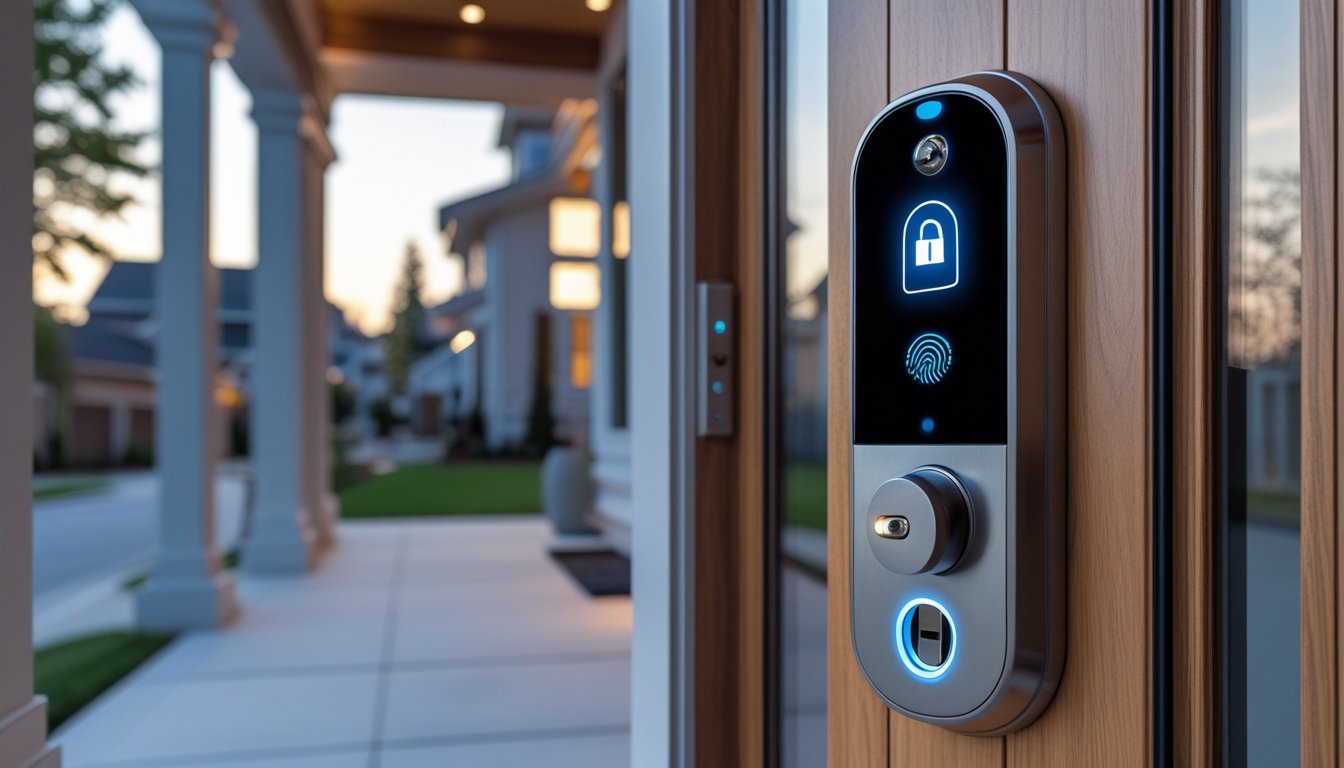
In this section, we address common concerns about advanced locking solutions for residential properties. Our goal is to enhance your understanding of various lock types, smart security advancements, insurance implications, biometric systems, and safety standards compliance.
What are the most reliable types of locks for residential properties?
Different locks offer various levels of security. Deadbolts are often favoured for their robustness, particularly those with a hardened steel bolt. Mortice locks, especially five-lever versions, provide high security for external doors. Ensuring that your locks carry the British Standards Kitemark can also enhance peace of mind.
How do smart locks increase home security and convenience?
Smart locks offer both increased security and convenience by allowing keyless entry and remote access control through smartphone applications. Many models provide activity logs, permitting homeowners to monitor access attempts and usage history. They can be integrated with smart home systems for enhanced automation and customisation of security protocols.
What should be considered when choosing a high-security door lock?
When selecting a high-security lock, it's vital to evaluate its pick and bump resistance, as well as the material's durability. Look for locks with an ANSI/BHMA rating for reassurance on security performance standards. Additionally, compatibility with your existing door structure and hardware should not be overlooked to ensure a seamless fit and optimal functioning.
Can upgrading locks lower insurance premiums for my home?
In many cases, upgrading to high-security locks can potentially lead to lower home insurance premiums. Insurance providers often take into account the level of security measures in place when assessing risk and determining rates. Therefore, investing in certified high-security locks might not only enhance safety but also reduce insurance costs.
What are the benefits of installing a biometric lock system?
Biometric locks provide a unique blend of security and convenience by utilising fingerprint recognition, which minimises the risk of unauthorised access. They offer swift entry without the need for keys or codes, which is particularly useful in situations requiring quick access. Additionally, they integrate well with smart security systems, further enhancing residential security.
How can I ensure my locking mechanisms meet the latest safety standards?
To ensure your locks meet the latest safety standards, look for products that adhere to the British Standards Institute (BSI) specifications. Regular updates on security hardware certifications and innovations can help maintain compliance. Consulting with professional locksmiths or security experts can also provide valuable insights into the best locking solutions for current standards.