
Late updated: 18 Dec 2025 09:12
Written by: Elena Prescott
Exploring Historical Locksmith Techniques in the UK: A Journey Through Time
Locksmithing in the UK holds a fascinating and complex history, intricately woven through the tapestry of time. From the rudimentary locks crafted from wood and iron in ancient times to today's sophisticated electronic systems, locksmith techniques have continually evolved, reflecting societal and technological changes. By examining key innovations in traditional methods, we can appreciate the blend of art and science that has marked this essential craft.
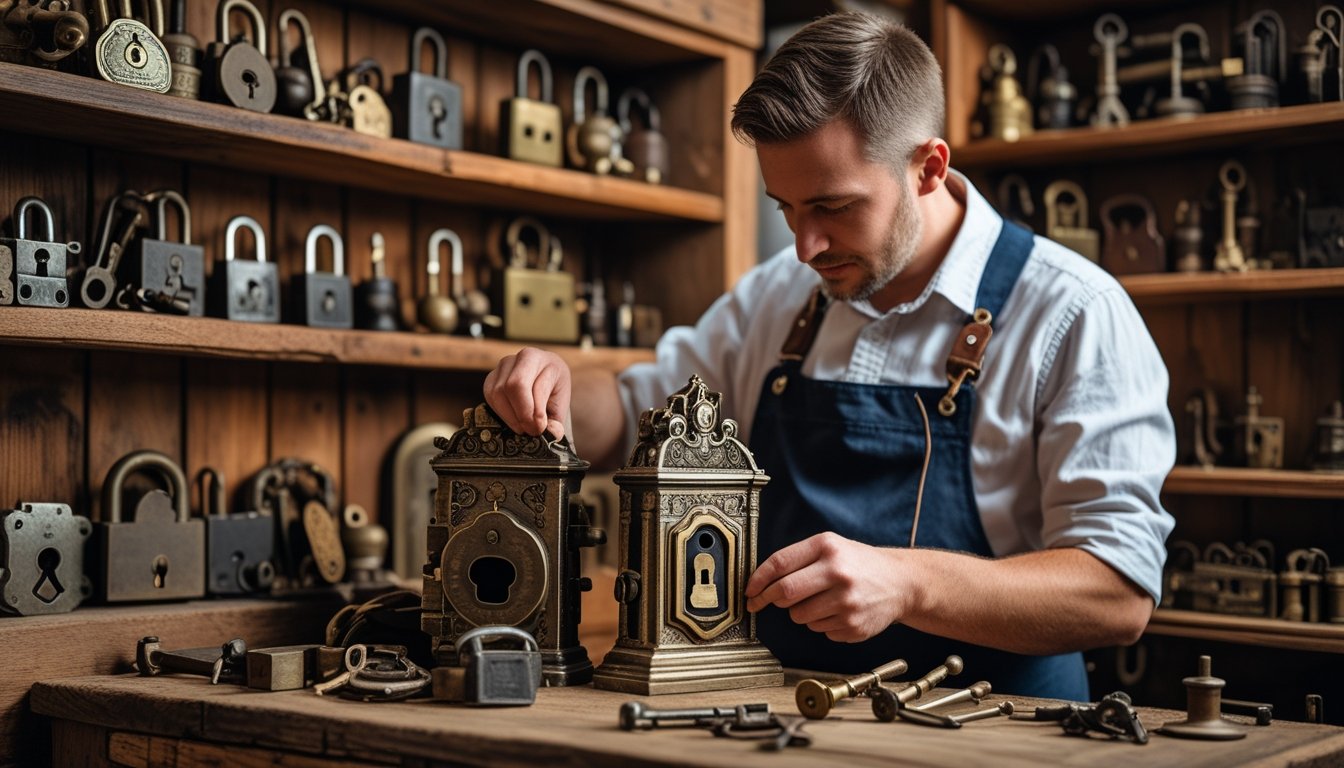
As we journey through this historical landscape, we will uncover how early locksmiths harnessed their creativity to create devices that safeguarded treasures and secrets alike. It's a tale of ingenuity where every era brought its unique challenges and breakthroughs, setting the stage for the cutting-edge security solutions we rely on today. Our exploration promises to be one that reveals not only the technical evolution but also the cultural significance of locksmiths throughout British history.
Key Takeaways
- Locksmith techniques have evolved significantly over centuries in the UK.
- This evolution reflects broader historical and technological advancements.
- Modern security solutions originate from traditional methods.
Historical Foundations and Key Innovations in UK Locksmith Techniques

The history of locksmithing in the United Kingdom is rich with ingenuity and advancement. From ancient wooden locks to intricate mechanisms like the double-acting tumbler lock, locksmiths have continuously pushed the boundaries of security and design.
Ancient and Medieval Locksmithing Practices
Initially, UK locksmithing techniques involved simple yet effective constructions. Early practitioners crafted wooden locks, which were prevalent in ancient times across various civilisations, including the Romans and later in medieval Britain. The materials were accessible, and their simplicity served the purpose of the era. These early mechanisms involved a basic design where wooden pins needed to be aligned by a wooden key to open a lock. Wooden locks and keys represented the nascent stages of the craft.
As we progressed into medieval times, locksmiths began to experiment with metal, creating stronger and more durable locks. While the designs became more sophisticated, the foundational principles of aligning internal components remained consistent. Keys, often made from the same metal, were elaborately crafted to match these evolving mechanisms. This shift laid the groundwork for more complex designs and security innovations.
Early Wooden and Metal Locks
Among the first significant developments in locksmithing was the introduction of the warded lock. Warded locks used internal barriers or wards that a key needed to navigate to unlock the mechanism. The evolution from wooden to metal locks marked a pivotal point, with metal offering improved security and resistance to forced entry. The metal locks consisted of increasingly ornate designs, combining function with decorative elements.
These locks were commonly seen in ecclesiastical and royal buildings, where security and symbolism intertwined. Metalworking advanced, allowing for more precise and intricate locks. The rise in sophistication required locksmiths to develop new skills in metallurgy, advancing the profession from simple craftsman to highly skilled artisans.
The Rise of Warded and Ornate Lock Designs
During this time, locksmiths developed warded lock designs further by incorporating ornate artistry into their creations. These locks not only served a utilitarian function but also became status symbols. Decorative motifs and complex key designs exemplified the intersection of art and security, showcasing the lockmaker's skill and the owner's wealth.
The progression from functional simplicity to ornate complexity also facilitated the growth of specialised locksmithing guilds. These groups shared techniques and guarded trade secrets closely, enhancing the precision and creativity of lock designs. As keys became more intricate, they transformed into personal items reflecting their owners' identity and social standing.
Pioneering British Inventors and Breakthrough Mechanisms
The late 18th and early 19th centuries were a period of remarkable innovation in British locksmithing. Key figures such as Robert Barron and Joseph Bramah introduced revolutionary mechanisms. Barron created the double-acting tumbler lock in 1778, a design that added complexity and security. This lock required precision alignment of two levels within the lock mechanism, making it difficult for unauthorized access.
Joseph Bramah further advanced the field with his 1784 invention of the Bramah lock, known for its cylindrical design and high security. His lock was regarded as unpickable for many years. Following this, Jeremiah Chubb developed the Chubb detector lock in 1818, incorporating a method to detect and indicate tampering or forced entry.
These inventors laid the groundwork for modern locking systems, inspiring future developments such as the pin tumbler lock by Linus Yale Sr. and his son Linus Yale Jr. Each new design introduced key elements still used in contemporary security mechanisms, illustrating the lasting impact of British inventors on the global locksmithing landscape.
Evolution of Locksmithing: From Traditional Methods to Modern Security Solutions
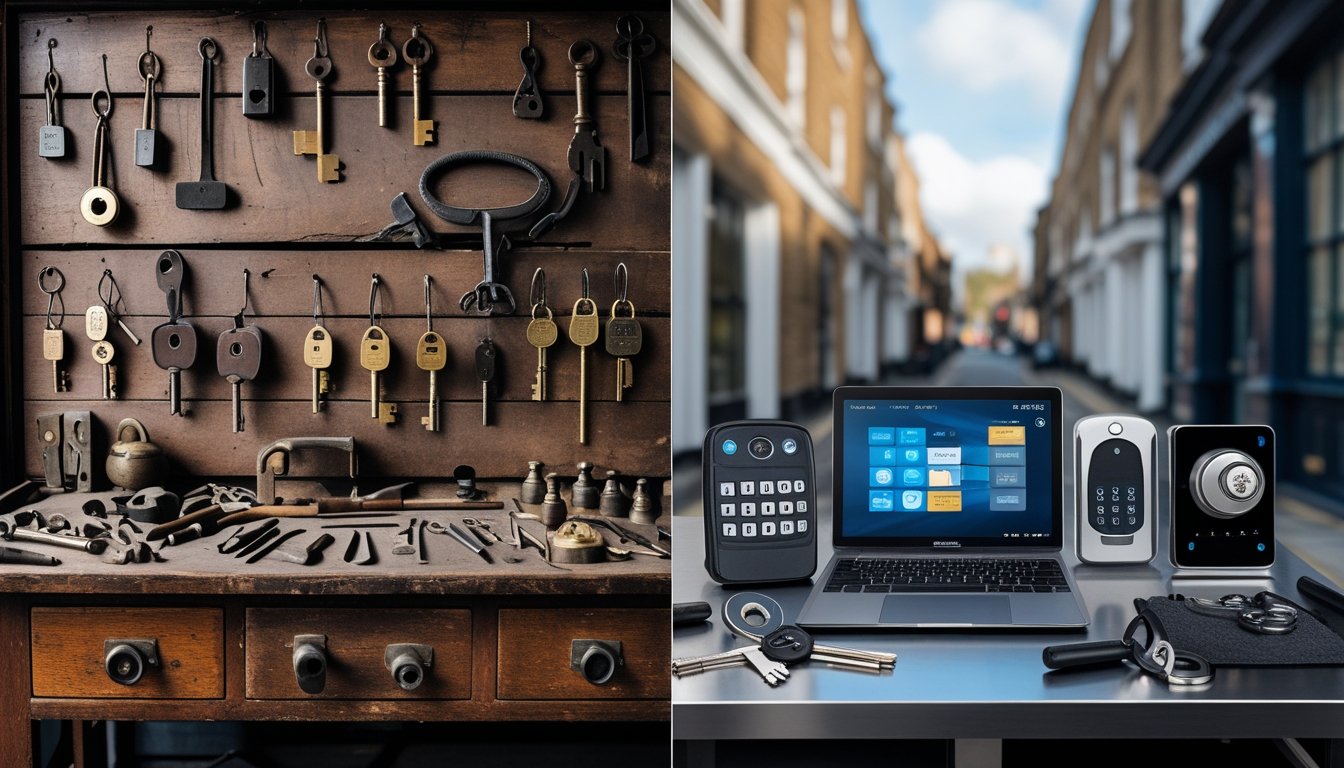
In the UK, the locksmithing profession has undergone significant transformations over the centuries. From the development of intricate mechanical locks to the integration of advanced technologies like smart locks and biometric scanners, each phase has contributed to the robust security solutions we have today.
The Industrial Revolution and the Expansion of the Locksmith Industry
The Industrial Revolution marked a pivotal period for locksmithing as it enabled mass production and standardisation of locks. With the introduction of machinery, locksmiths could produce components like cylinder locks and padlocks more efficiently. This era also saw the refinement of key cutting and duplication techniques, allowing for quicker and more precise creation of keys.
Additionally, the advancement in materials science facilitated the production of stronger, more durable locks, enhancing physical security. Locksmiths began focusing on not just crafting locks and keys but also improving lock repair and maintenance services. The expansion of the locksmith industry during this time laid the foundation for modern locksmithing practices and allowed for the rise of specialised locksmith services, which continue to evolve today.
Professionalisation, Guilds, and Associations
As the locksmith industry grew, so did the need for professional standards and ethical guidelines. This led to the establishment of guilds and associations, such as the Master Locksmiths Association in the UK, which set benchmarks for quality and competence. Guilds played a crucial role in training locksmiths, ensuring they were skilled in both traditional methods and emerging technologies.
Guilds also provided a platform for sharing knowledge about burgeoning techniques like lock picking and the development of time locks. This professionalisation contributed to greater trust in locksmith services, as certifications from reputable associations assured clients of quality service and reliable security solutions. The close-knit community of locksmiths actively exchanging expertise and advances fostered continual industry growth.
Emergence of Electronic and Smart Locks
With technological advancements in the late 20th century, electronic locks and smart locks became a significant focus. These modern locks offer features unimaginable just a few decades prior, such as remote access and IoT integration. The transition from mechanical to electronic systems allowed for the innovation of security systems that could interact with other smart home devices for enhanced home security.
Biometric scanners and keyless entry systems have further revolutionised how we approach security. These technologies reduce the risk of lockouts and offer greater convenience and adaptability for users. Electronic locks and smart systems have enabled us to design security solutions that are both intuitive and adaptable, catering to a wide range of security needs from residential to commercial settings.
Contemporary Locksmith Practices and the Role of Technology
Today’s locksmith must possess a diverse set of skills to handle both traditional locks and advanced security technologies. Modern locksmiths are not only experts in physical security but also proficient in electronic systems and the complexities of IoT integration. We engage with technologies like biometric authentication and internet-connected security cameras, which are now integral components of comprehensive security strategies.
Contemporary practices now include automotive lock services, addressing issues like transponder key programming and ignition system repairs. Locksmiths are essential in managing security updates for electronic systems, ensuring they remain resilient against emerging threats. This blend of traditional craftsmanship and cutting-edge technology allows us to provide versatile security solutions tailored to protect homes, businesses, and vehicles effectively.
Frequently Asked Questions
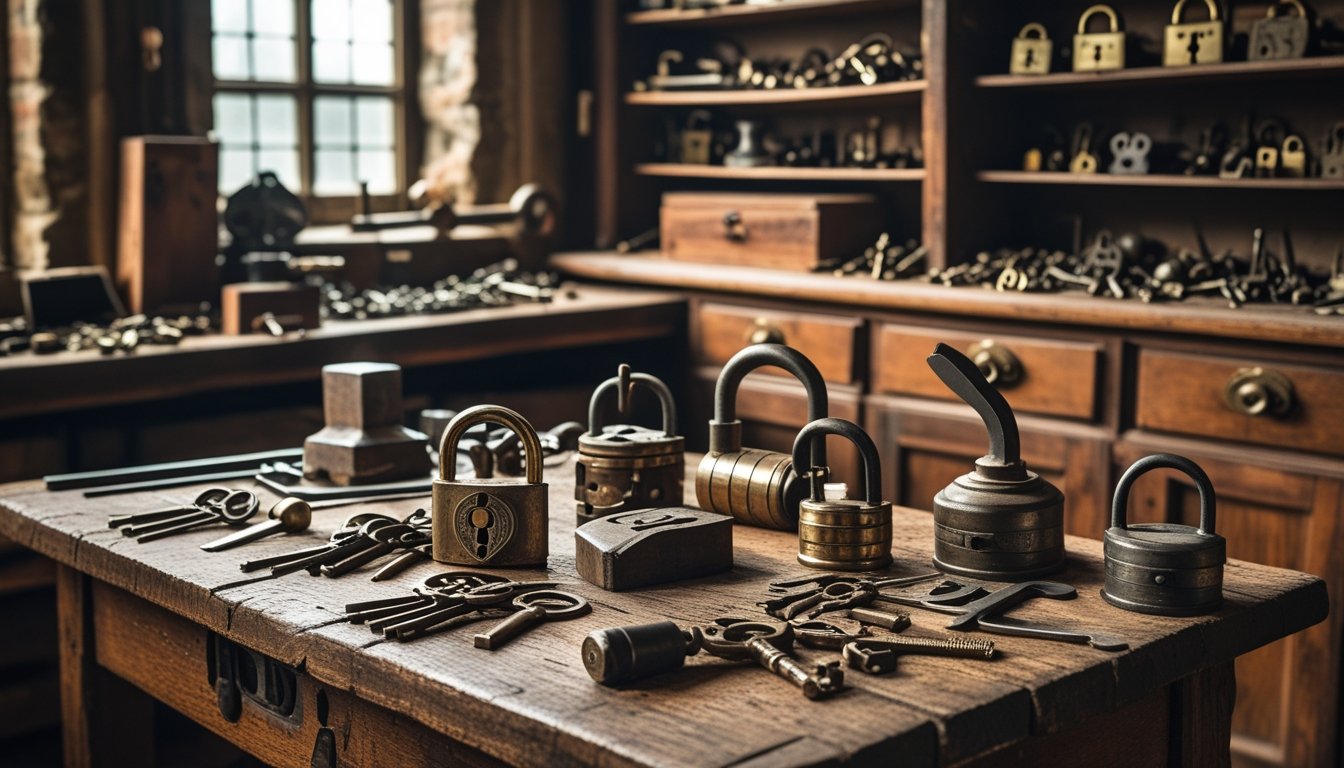
Exploring the history of locksmith techniques in the United Kingdom unveils fascinating insights into the origins, evolution, and significance of this craft. From early innovations in medieval times to advancements during the Industrial Revolution, British locksmiths have played a pivotal role in shaping security measures over the centuries.
What are the origins of locksmithing in the United Kingdom?
The origins of locksmithing in the UK are deeply rooted in ancient times, with early locksmiths creating basic wooden mechanisms for security. These craftsmen were essential in designing locks and keys for securing valuable assets and offering a level of protection during a time when burglary was prevalent. The trade began to flourish during the medieval period, setting the foundation for more sophisticated techniques.
How have British locksmith techniques evolved from the medieval period to the 19th century?
During the medieval period, locksmithing in the UK was characterised by handcrafted locks with intricate details. As we moved into the 19th century, the techniques became more refined with the introduction of metal, enhancing both durability and security. British locksmiths began to use iron and brass, allowing for more complex lock designs. This evolution highlights a shift towards improving security measures and accommodating the growing need for reliable protection.
What were the common tools and materials used by historic British locksmiths?
Historic British locksmiths relied on a variety of tools such as files, saws, and hammers. They used materials like iron, brass, and steel to craft durable locks. These materials were chosen for their strength and malleability, which were crucial for creating intricate designs. Additionally, specialised tools were developed to manipulate and assemble the components of locks, demonstrating the locksmiths' craftsmanship and technical skill.
How did the Industrial Revolution impact the locksmith industry in Britain?
The Industrial Revolution ushered in a new era for the locksmith industry in Britain. The mass production of locks became possible due to advancements in manufacturing processes and machinery. This led to an increase in the availability and affordability of locks, making them accessible to a broader segment of the population. The revolution also introduced standardisation in production, leading to improved quality and reliability in locks.
Can you describe some of the most notable locks and security mechanisms designed in the UK?
Notable locks from the UK include the Chubb detector lock, invented by Jeremiah Chubb in the early 19th century. This lock was famous for its security and was designed to resist picking attempts. Another significant innovation was the Bramah lock, created by Joseph Bramah, whose cylindrical key design was considered unpickable for decades. These locks exemplify the ingenuity and forward-thinking of British locksmiths over the years.
What is the significance of locksmithing guilds and their role in historical British locksmithing?
Locksmithing guilds in historical Britain played a crucial role in maintaining the standards and quality of the craft. These guilds provided training, ensured ethical practices, and regulated the techniques used by locksmiths. By fostering a sense of community and shared knowledge, they contributed to the advancement and preservation of locksmithing as a reputable trade. The legacy of these guilds is evident in the skilled craftsmanship that defines British locksmithing history.