
Late updated: 02 Dec 2025 14:12
Written by: Elena Prescott
History Of British Security Lock Innovations: A Journey Through Time
The history of British security lock innovations showcases a remarkable blend of ingenuity and tradition, reflecting centuries of technological and societal evolution. From the medieval period with rudimentary wooden locks to today's sophisticated electronic systems, the journey illustrates significant breakthroughs born from a persistent need for security. Britain's rich legacy in lock-making not only mirrors its industrial prowess but also underlines the pivotal role of security in shaping societal landscapes.
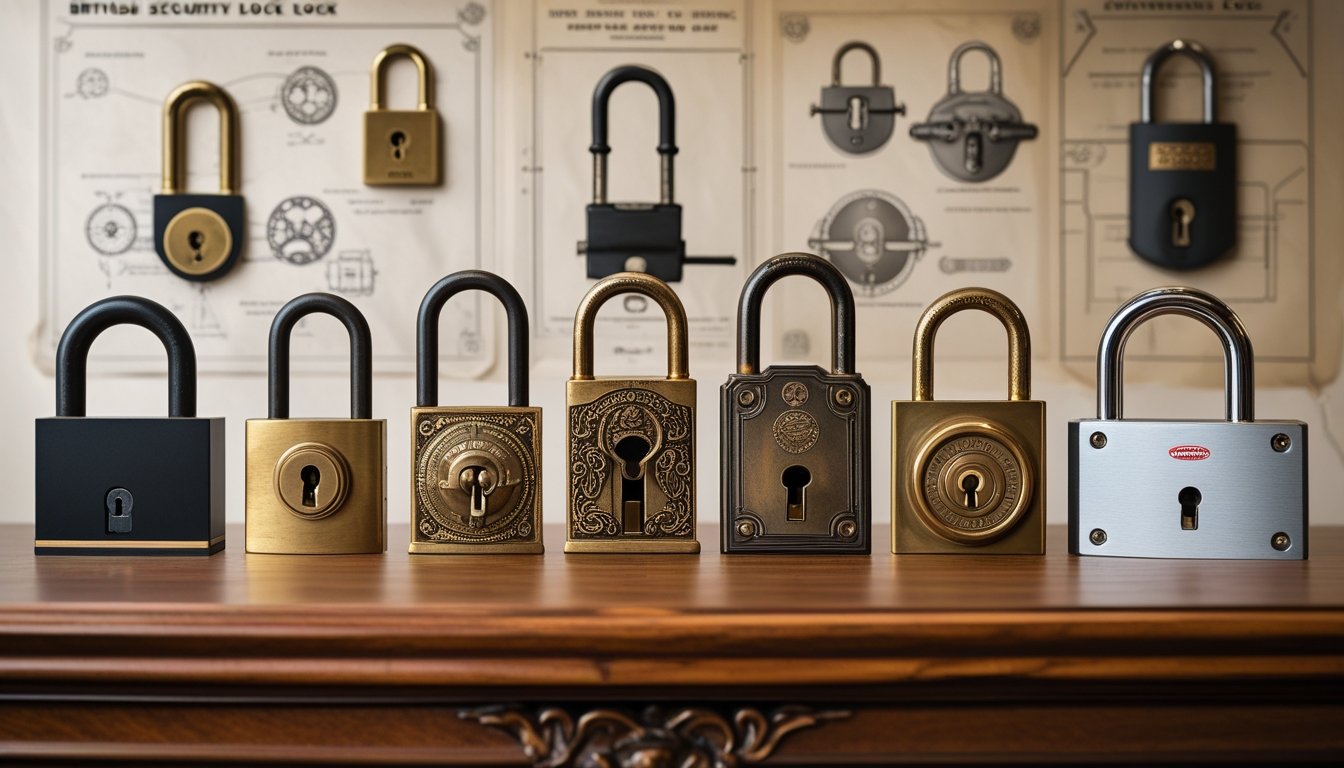
Renowned institutions and individuals have pioneered lock advancements in the UK, leading to crucial developments that transformed everyday security measures. The British safe and security industry emerged prominently between the 18th and 19th centuries, underpinning societal shifts with advancements in lock mechanisms that catered to growing security needs. As we delve deeper into this fascinating journey, it's evident that the innovations we take for granted today stand on the shoulders of historical breakthroughs.
Exploring the history of locks in Britain offers insights into how society's approach to security has adapted over time, driven by both necessity and creativity. We gain a deeper appreciation for the intricate balance of craftsmanship and technological progress that has defined our contemporary world.
Key Takeaways
- British lock innovations have transformed over centuries.
- The 18th and 19th centuries saw the rise of the security industry.
- Historical breakthroughs underpin modern security advancements.
Pioneers and Breakthroughs in British Security Lock History
The history of British security locks is marked by groundbreaking innovations and key figures who revolutionised the field. These pioneers, such as Joseph Bramah and the Chubb family, laid the foundation for modern locking mechanisms with their inventive designs and resolute determination in advancing security standards.
Early Innovations by Joseph Bramah
Joseph Bramah stands as a pivotal figure in the history of locking mechanisms. Born in Yorkshire in 1748, Bramah applied his inventive mind to the creation of the Bramah Lock in 1784. This lock was one of the earliest high-security designs, renowned for its intricate mechanism that utilised a cylindrical key and a series of slides rather than traditional wards.
Bramah's design was celebrated for its resilience against traditional lock-picking methods. Its creation marked a significant departure from simpler locking systems prevalent at the time. The complexity of the Bramah Lock represented a major leap forward in security technology, showcasing Bramah's commitment to enhancing security through innovation. His work set the standard for future developments in the lock industry.
The Bramah Lock and Its Legacy
The Bramah Lock was more than just a mechanism; it was a challenge to any who dared to attempt its compromise. For over 67 years, it remained unpicked, a testament to its formidable design. The lock’s endurance underscored Bramah’s engineering genius, making it a staple in high-security applications. Even today, the principles of his lock continue to influence modern locking systems.
Its impact extended beyond security, promoting a new era of locksmithing where precision and reliability became paramount. The legacy of the Bramah Lock can be seen in its continued use in various settings, showcasing the enduring relevance of Bramah's contributions to security technology.
The Chubb Family and the Detector Lock
The Chubb family, particularly Charles Chubb and his brother Jeremiah, further advanced British lock designs with patented innovations that greatly improved security. In the early 19th century, they brought forth the Chubb detector lock, which introduced a novel feature: an internal detector mechanism that signalled unauthorised attempts to pick the lock.
This invention arose from the need for more secure locking solutions following a series of burglaries. The detector lock's ability to automatically relock when tampered with set a new benchmark in security, earning the Chubb family significant acclaim and establishing them as leaders in the industry. Their work paved the way for future advancements in high-security lock designs, influencing generations of locksmiths.
Jeremiah Chubb’s Patented Advances
Jeremiah Chubb's contributions were integral to the evolution of secure locking. His 1818 patent for the detector lock marked a significant advancement, making it nearly impossible for intruders to bypass without leaving traces of tampering. This innovative aspect reflected a shift towards comprehensive security solutions.
The detector lock gained widespread adoption, securing buildings and valuables across the United Kingdom. Jeremiah's focus on improving functionality and introducing defensive mechanisms influenced subsequent lock designs, illustrating his role as a key innovator in the field. As a result, the Chubb brand became synonymous with reliability and trust, a legacy that continues to this day.
Alfred Charles Hobbs and the Great Exhibition Challenge
Alfred Charles Hobbs, an American locksmith, forever changed British perceptions of security during the Great Exhibition of 1851 at London’s Crystal Palace. He famously succeeded in picking the Bramah Lock and the Chubb detector lock, demonstrating vulnerabilities in perceived invulnerable systems.
Hobbs' achievements did not diminish the reputations of these locks; instead, they spurred further advancements in lock technology. His actions encouraged a reassessment of existing designs, leading to improvements that reinforced the resilience of British locks. Hobbs’ influence was global, prompting a more rigorous approach to developing and testing security measures. This episode underscored the necessity for continuous innovation to stay ahead in the realm of security.
The Rise of the British Safe and Security Industry
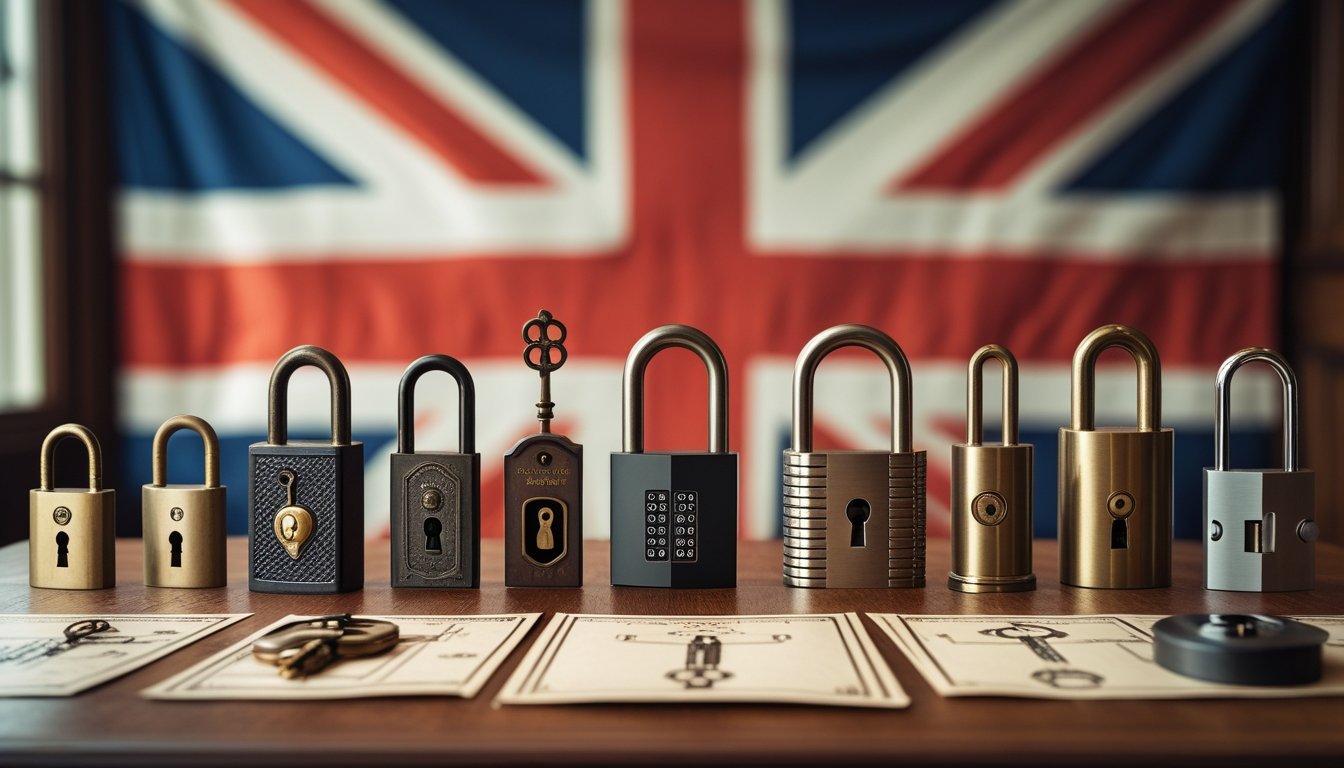
Throughout the 19th century, the British safe and security industry saw tremendous growth, driven by innovation in design and technology. Pioneering manufacturers introduced new materials and mechanisms, shaping a legacy that would have a lasting impact on global security.
From Iron Chests to Fireproof Safes
Initially, secure storage options were rudimentary, often taking the form of iron chests designed to protect valuables from theft rather than fire. As the demand for more advanced protection grew, the industry evolved to meet these needs. Fireproof safes became a hallmark of the era, providing not only theft resistance but also safeguarding against fires and structural collapses. Innovations in construction, such as thicker steel plates and sophisticated locking mechanisms, ensured that British-made safes stood out for their reliability and effectiveness.
The Emergence of Fire-Resistant Security Containers
In response to devastating fires, manufacturers focused on developing fire-resistant technologies. Key figures like Thomas Milner and companies such as Chubb & Sons spearheaded these advancements. Milner's expertise in fireproofing materials led to significant breakthroughs. Meanwhile, the emergence of security containers with robust fire-resistant properties became crucial for businesses needing to protect sensitive documents and cash. The interplay between technical expertise and practical design facilitated the introduction of safes that could withstand intense heat, setting new industry standards.
Influential Safe Manufacturers and Technical Developments
The competitive landscape of the British safe industry spurred numerous technical advancements. Companies like Edward Tann & Sons and Tann & Sons contributed to these developments with innovative manufacturing techniques. Chubb & Sons became synonymous with reliable security solutions by implementing advanced lock mechanisms. The Great Exhibition of 1851, held at the Crystal Palace, was a pivotal event that showcased many of these innovations. This gathering highlighted the prowess of British manufacturers and their commitment to excellence in safety and security.
Legacy and Impact of British Safe Design
The legacy of British safe design is evident in the global spread of its principles. The foundational developments from this era have had a profound influence on modern safe design and security standards. British manufacturers set benchmarks for quality and innovation, and their designs became templates emulated worldwide. The industry not only secured its place in history but also contributed to the evolution of international standards in protective storage. The impact of this era continues to resonate, underscoring the ingenuity and craftsmanship that defined the rise of the British safe and security industry.
Frequently Asked Questions

In the realm of British security locks, numerous innovations have significantly shaped the field. Key advancements during the Industrial Revolution, groundbreaking work by the Chubb brothers, and the display of innovation at the Great Exhibition of 1851 are among the notable highlights. British developments have set benchmarks in lock safety, influencing global standards.
What are the significant advancements in lock security made during the British Industrial Revolution?
During the British Industrial Revolution, advancements in manufacturing technology allowed for improved precision in lock mechanisms. The development of lever tumbler locks, which provided enhanced security compared to earlier wooden locks, marked a crucial step. Mass production techniques also facilitated wider distribution and use.
How did British innovations contribute to the modern locking mechanisms we use today?
British contributions to modern locking mechanisms are embedded in the design principles and technologies we see today. The introduction of the lever tumbler lock provided a foundation for modern locks, while innovations such as the use of complex key-ways helped improve resistance to tampering. These principles continue to underpin contemporary security design.
What was the impact of the Chubb brothers on the development of security locks in Britain?
The Chubb brothers patented the detector lock in the early 19th century, significantly enhancing lock security. Their design could indicate if a lock had been tampered with, adding a new layer of protection. This innovation not only increased demand for better security but also established Chubb as a prominent name in the industry.
In what way did the Great Exhibition of 1851 showcase British advancements in lock technology?
The Great Exhibition of 1851 served as a platform to demonstrate Britain's prowess in industrial technology, including locks. Among the highlights was the display of new lock designs that emphasised both resilience and skill. These exhibits showcased Britain's leading edge in security solutions to an international audience.
How have British security lock innovations influenced global standards in lock safety?
British security innovations have greatly influenced global lock safety standards by setting benchmarks for strength and reliability. The development and international adoption of British-standard locks and keys reflect the high level of trust in their enduring quality and security. Across the world, British designs have been standards of robustness.
What are the historical milestones in the evolution of British-made safe locks?
Key historical milestones include the invention of the detector lock by the Chubb brothers and the introduction of the cylindrical pin-tumbler lock. The evolution of safe locks also saw advancements like dimple locks, which offered greater resistance to manipulation. These milestones highlight a trajectory of increasing complexity and security over time.