
Late updated: 12 Dec 2025 10:12
Written by: Elena Prescott
Unique Benefits Of Traditional Locksmithing Techniques: A Timeless Craft
The practice of locksmithing, with its rich history, bridges the gap between ancient expertise and modern needs. In an era where digital solutions dominate, it's easy to overlook the enduring relevance of traditional locksmithing techniques. These age-old skills not only offer unique benefits in terms of reliability and craftsmanship but also enrich contemporary security systems by integrating comprehensive understanding with durable methodologies.
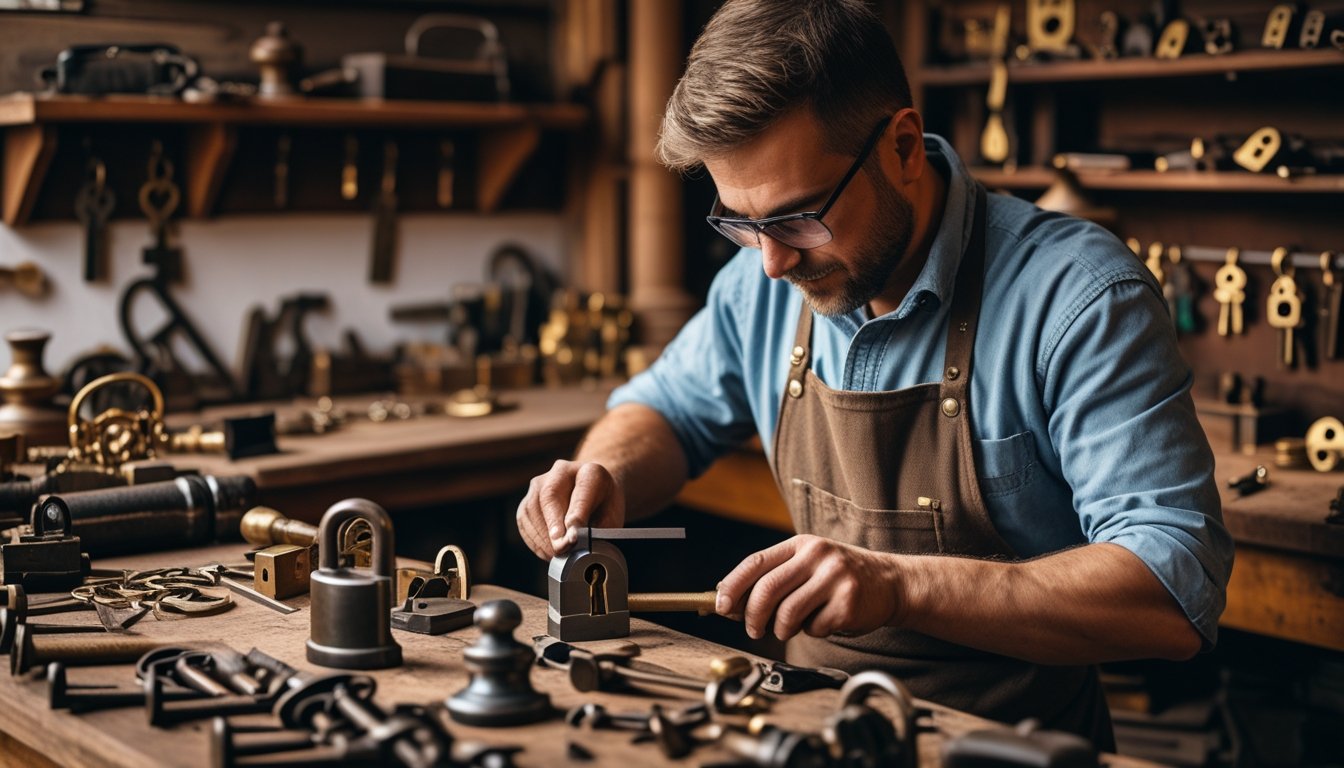
Locksmithing, as a craft rooted in history, remains indispensable due to its adaptability. The artistry involved in crafting intricate locks and keys by hand speaks volumes about the precision and dedication of skilled locksmiths. They bring a tangible connection to cultural heritage, offering security solutions that are not only effective but also distinctive in their approach.
By exploring the unique advantages of traditional locksmithing, we gain insights into why these practices continue to be relevant today. They provide an essential balance to electronic systems, bringing a level of trust that modern technology cannot fully replicate. This blend of history and innovation ensures security in a constantly evolving world.
Key Takeaways
- Traditional locksmithing offers reliable and durable security solutions.
- Craftsmanship brings an artistic and historical value to security methodologies.
- These techniques remain relevant by complementing modern technology.
Unique Advantages Of Traditional Locksmithing Techniques

In an era increasingly focused on digital solutions, traditional locksmithing techniques offer unique benefits. These techniques not only provide robust security but are also rooted in time-honoured craftsmanship and aesthetic values.
Foundation Of Physical Security
Traditional locksmithing forms the bedrock of physical security, a crucial aspect in protecting assets and ensuring personal safety. Mechanical locks, such as padlocks and deadbolts, are designed to resist physical tampering and force. These locks often feature intricate mechanisms that require specific keys, adding a layer of security. Despite advances in technology, the fundamental principles of physical security remain consistent, showcasing the enduring relevance of traditional methods. Through their robust construction and practical application, traditional locks continue to serve as a first line of defence, effectively deterring unauthorised access.
Craftsmanship And Metalworking Skills
Traditional locksmithing is synonymous with skilled craftsmanship and metalworking. The intricate art of shaping keys and locks from raw materials demands precision and expertise. Locksmiths often rely on techniques passed down through generations, such as hand filing and forging to create durable and reliable locks. This craftsmanship is not only about creating secure locks but also about the aesthetic value they add to any setting. The tools of the trade, coupled with skills honed over time, enable locksmiths to produce bespoke solutions. These skills highlight our commitment to maintaining the integrity and beauty of traditional locksmithing.
Reliability Of Mechanical Locks
Mechanical locks, renowned for their reliability, operate without the need for electricity or batteries. This independence from technology ensures consistent operation in even the most challenging environments. With fewer components that can fail, mechanical locks provide peace of mind through their simplicity and robustness. The absence of electronic parts means these locks are less susceptible to hacking, offering secure and stable protection. By relying on tested and proven designs, we recognise the value of mechanical locks, appreciating their long-term reliability and ease of maintenance.
Custom Lock Design And Aesthetic Value
Custom lock design exemplifies the unique aesthetic appeal of traditional locksmithing. Each lock reflects an individual touch, with craftsmanship that combines functionality with elegance. These bespoke locks offer more than just security; they serve as artistic statements. Locksmiths use their knowledge of materials and design to create locks that complement their surroundings, incorporating intricate patterns and decorations. This artistic approach elevates the lock from a mere utility to a piece of art, appealing to those who value both security and style. We embrace this blend of creativity and function, recognising the timeless nature of traditional lock designs.
Enduring Impact Of Historical Methods In Modern Security
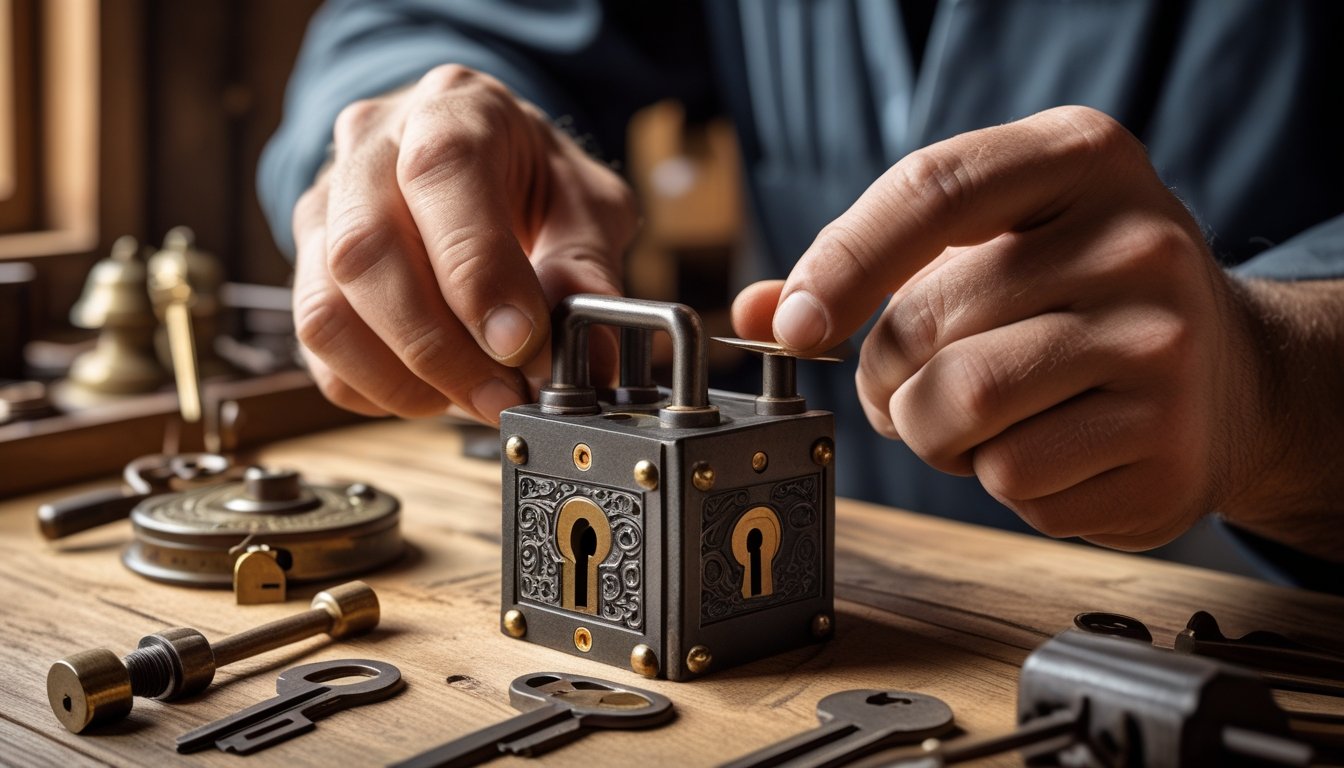
Traditional locksmithing techniques continue to be relevant, significantly influencing modern lock systems, security solutions for both residential and commercial properties, and the overall locksmithing industry. By understanding these historical influences, we can appreciate their integral role in shaping contemporary practices and training.
Influence On Contemporary Lock Mechanisms
The influence of historical locksmithing is vividly seen in the development of contemporary lock mechanisms. Techniques such as those used in ancient pin tumbler locks have laid the groundwork for modern advancements. Today, many locks used in homes and businesses, like the deadbolt and combination lock, owe their existence to traditional designs. The foundational principles remain applicable—using mechanics to secure entry points—although materials and complexity have evolved.
We continually see improvements in materials and applications. The combination of past designs with current technology has given rise to developments like electronically enhanced locks that still borrow from the original concepts, proving the durability of these old techniques.
Role In Home And Commercial Security Systems
In both home and commercial security systems, the enduring methods originally used in locksmithing are crucial. Historical locking systems provided the initial framework for the current sophisticated security solutions we deploy today. The traditional practices of lock installation and lock repair have expanded into the digital age but retain the core principles of protecting physical and intellectual property.
Nowadays, locksmiths often integrate legacy systems with modern technologies such as CCTV and electronic monitoring. Despite these advancements, the basic, reliable functions of locks, derived from historical methodologies, remain a linchpin in safeguarding assets and privacy, demonstrating their lasting impact.
Importance In Locksmith Training And The Industry
The educational framework for aspiring locksmiths is deeply rooted in historical methods. The curriculum formulated by entities like the Associated Locksmiths of America (ALOA) underscores the importance of understanding foundational techniques before progressing to more complex tasks. Mastery of traditional methods, such as key duplication, is often required to fully grasp contemporary skills demanded in the locksmith industry.
As we continue to grow and adapt, the industry's respect for its historical roots is evident. Training programmes still emphasise historical knowledge, ensuring that new locksmiths are well-versed in both classic and innovative methods. This blend of old and new sustains the integrity and reliability of modern locksmith practices.
Frequently Asked Questions
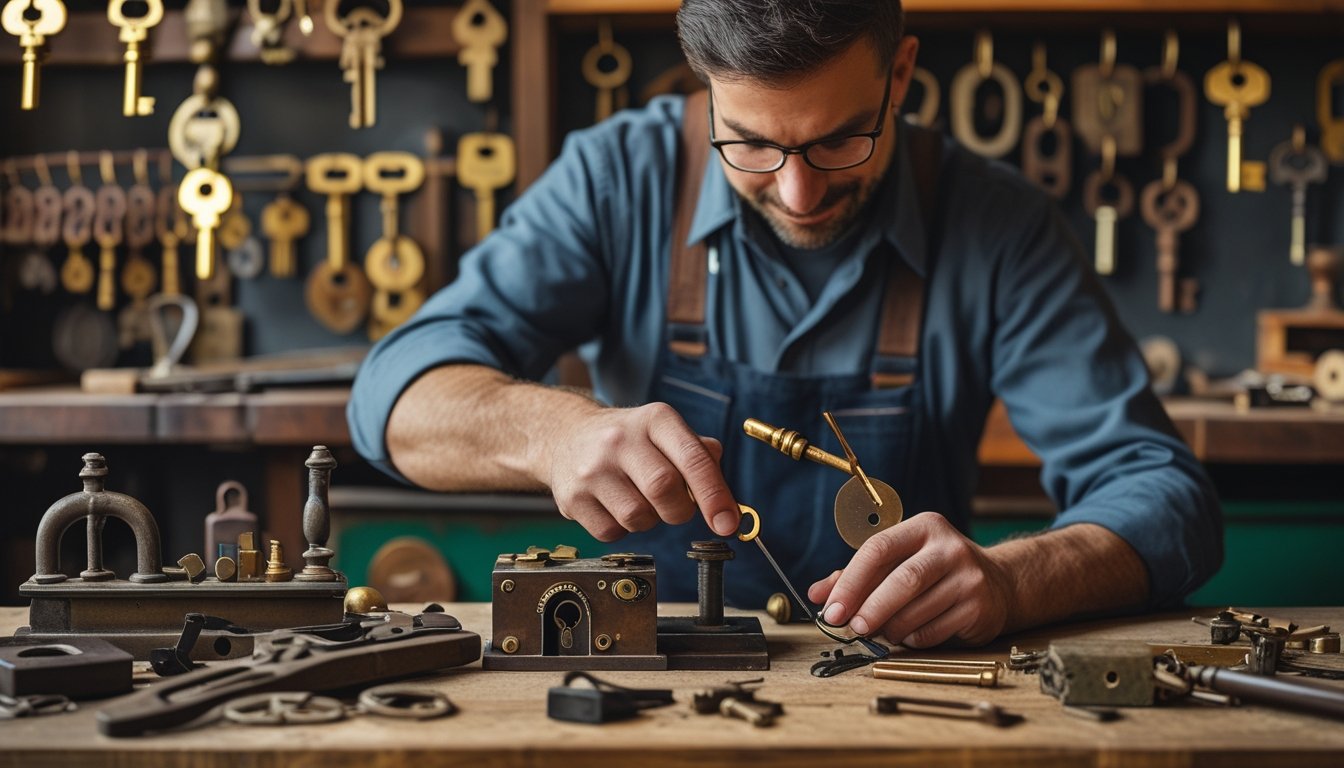
Our exploration into traditional locksmithing techniques reveals several advantages that may not be immediately apparent. These methods are known for their dependable security features, robust durability, and a level of customisation that can be perfectly suited for specific needs.
How do traditional locksmithing methods enhance security over modern digital locks?
Traditional locksmithing techniques offer a tangible barrier against intrusion. These methods are often less susceptible to digital hacking attempts since they don't rely on networks or software. Mechanical locks require physical manipulation to be breached, creating an added layer of security.
What are the advantages of classic lock-and-key systems in terms of durability?
Classic lock-and-key systems are crafted from durable materials designed to withstand physical force and environmental wear. Unlike electronic options that depend on batteries or power sources, these locks function independently of external energy supplies, reducing the risk of malfunctions.
In what ways does conventional locksmithing offer more reliability than electronic locking mechanisms?
The reliability of conventional locksmithing lies in its simplicity. With fewer electronic components, there is a reduced risk of failure due to technical faults. Traditional systems rely on time-tested designs that seldom face the technological obsolescence common in digital systems.
Can old-fashioned locksmith techniques provide benefits in custom lock creation?
Absolutely, the bespoke nature of traditional locksmithing allows for highly customised lock designs tailored to specific security needs. Skilled locksmiths can create unique keys and locks that address particular vulnerabilities or aesthetic preferences, offering a level of personalisation not easily matched by standard electronic systems.
Why might traditional locksmithing be preferred for historical or heritage property security?
Preserving the authenticity of historical buildings often necessitates using traditional locksmithing practices. These methods retain the cultural and architectural integrity of heritage sites, ensuring that security enhancements do not compromise their original design.
What are the environmental impacts of using historical locksmithing practices compared to modern electronic solutions?
Traditional locksmithing practices have a reduced environmental footprint compared to modern electronic locks. Manufacturing and maintaining mechanical locks generally require fewer non-renewable resources, and their longevity minimises waste, making them a more sustainable choice over time.