
Late updated: 08 Dec 2025 10:12
Written by: Elena Prescott
Understanding Home Lock Maintenance Basics: A Practical Guide
Protecting our homes starts with understanding the basics of lock maintenance. Our homes are vital sanctuaries, and ensuring they remain secure with well-maintained locks is paramount. Taking proactive steps to maintain lock systems can prevent costly malfunctions and offer peace of mind.
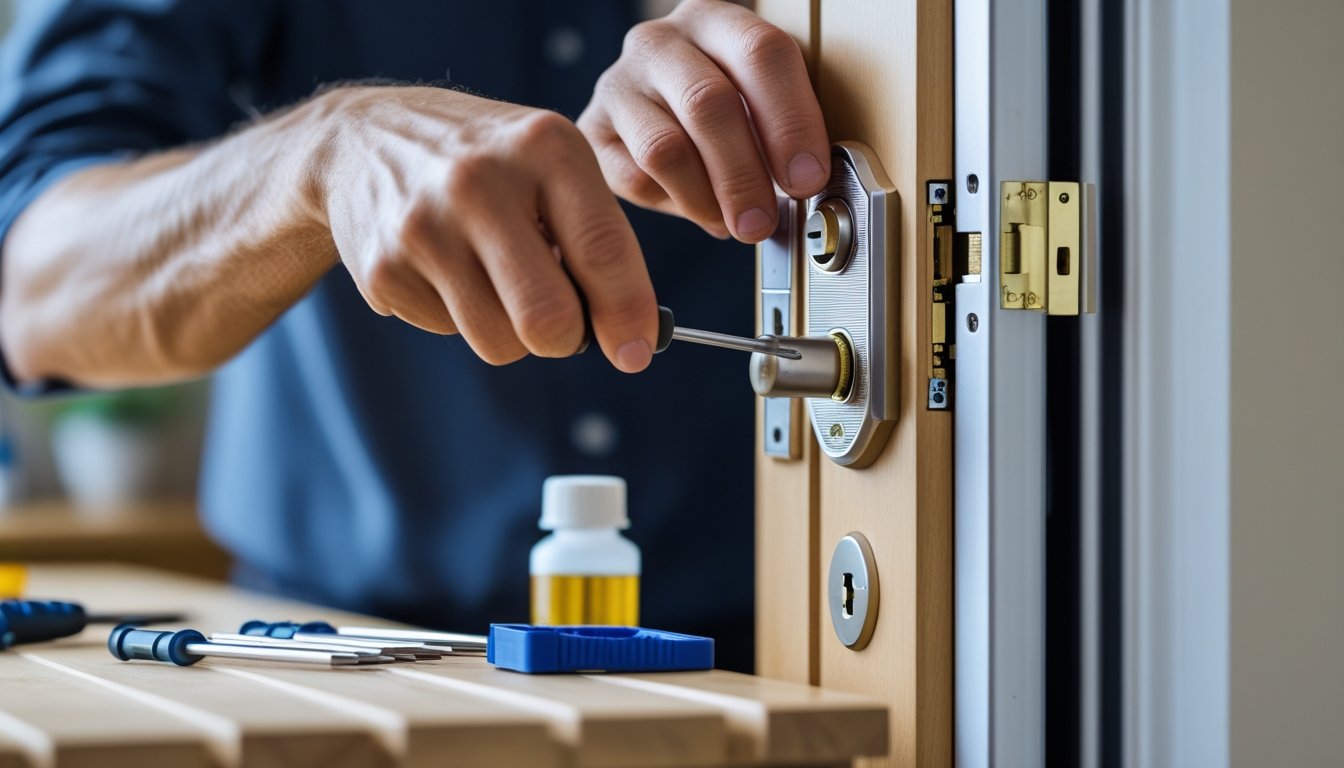
Regular cleaning and lubrication are essential for prolonging the lifespan of locks, ensuring they function smoothly and reliably. Understanding the core components of a lock, such as the cylinder and strike plate, helps identify potential problems early. Familiarity with these parts empowers us to manage minor maintenance tasks without professional help, avoiding potential emergencies.
While DIY maintenance can handle many lock issues, knowing when to call a professional is equally important. Locks in high-traffic areas or advanced locking systems may require special attention that goes beyond basic upkeep. We must balance routine care with expert intervention to ensure our locks remain in top condition.
Key Takeaways
- Regular care extends lock lifespan
- Know lock parts to prevent issues
- Combine DIY with professional help
Essential Elements of Home Lock Maintenance
Proper maintenance of home locks is critical for ensuring security and prolonging the lifespan of these essential components. By understanding various types of locks, routine inspection and cleaning methods, and appropriate lubrication techniques, we can maintain optimal lock functionality and prevent potential failures.
Types of Residential Locks and Key Components
Residential locks come in numerous designs, each with specific parts requiring maintenance. Common types include deadbolts, knob locks, and smart locks. Each lock primarily consists of a lock cylinder, bolt, strike plate, and keyway. The lock cylinder is the main hub, allowing the bolt to engage with the strike plate securely.
Keyways must be clear from debris to prevent key insertion issues. Smart locks additionally involve electronic components that require firmware updates and battery maintenance. Understanding these elements is crucial, as neglect can lead to security risks. Regularly inspect each component for signs of damage or wear. Knowing these core structures aids us in more effectively troubleshooting any issues that arise.
Routine Inspection and Testing Procedures
Routine inspections are vital for timely detection of potential problems. Begin with a visual check for loose screws and alignment issues between the bolt and strike plate. Test the lock's function by inserting the key and observing any sticking or unusual resistance. Check exterior locks for rust or corrosion, especially in harsh weather conditions.
In addition, we should routinely test smart lock batteries and features, ensuring they operate flawlessly. Digital features should be tested as well to avoid failures during emergencies. Regular inspection and testing can prevent small issues from escalating into costly malfunctions.
Proper Cleaning Techniques and Tools
Regular cleaning is essential to maintain the efficacy and safety of our locks. Dust and debris in the keyway can lead to malfunctions. We should use compressed air or a small brush to clear any particulates from internal components. Avoid using harsh chemicals, which may corrode the lock's finish.
It's helpful to clean exterior surfaces with a mild soap solution and a damp cloth, especially for exterior locks. Make sure locks are completely dry after cleaning to prevent moisture build-up. Proper cleaning not only enhances lock functionality but also contributes to their longevity.
Lubrication Methods for Optimal Lock Functionality
Lubrication ensures smooth operation of moving parts within a lock. Dry lubricants like graphite powder or silicone-based sprays are ideal, as they don’t attract dirt. Oil-based products should be avoided in most cases, as they can gum up over time.
Apply lubricant sparingly into the lock cylinder and onto the bolt. It's essential to operate the lock several times after application to evenly distribute the lubricant. Consistent lubrication reduces wear and tear, keeping locks in good working order and ready to function when secured. Regular attention to these lubrication practices will help maintain optimal lock performance.
Professional Support and Advanced Locking Systems
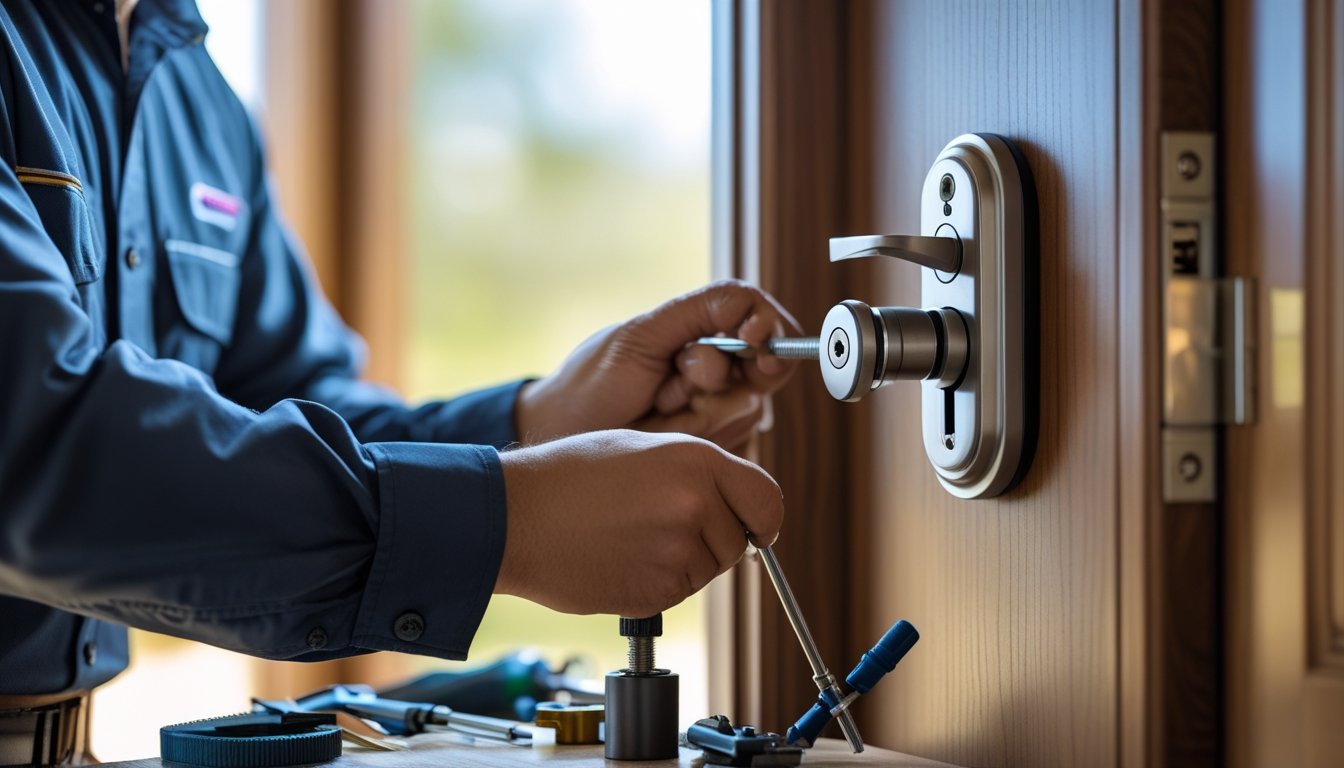
Advanced locking systems, such as smart locks, demand specialised attention for optimal performance and longevity. Engaging professional support, such as certified locksmiths, ensures these systems remain secure and functional, especially when dealing with technical difficulties or emergencies. Additionally, understanding the impact of weather on locks helps in implementing effective maintenance strategies.
Identifying When to Consult a Locksmith
Engaging a professional locksmith is crucial when encountering issues beyond basic maintenance. Complex problems with lock mechanisms, particularly in smart locks, often require expert diagnosis and repair. We must recognise signs that necessitate professional intervention, such as persistent lock malfunctions, key breakage, or difficulty in accessing electronic lock features. Certified locksmiths possess the tools and expertise to calibrate and repair these systems efficiently, minimising security risks in the process. Additionally, when installing new locks or upgrading existing ones, professional locksmiths ensure compatibility and optimal security standards. Regular consultation with a locksmith can also prevent future issues, providing peace of mind.
Special Considerations for Smart Lock Maintenance
Smart locks, with their advanced technology, offer unique security features but come with specific maintenance challenges. Regular software updates and battery checks are essential to keep these locks functioning effectively. We should configure updates for smart locks to address security vulnerabilities promptly and ensure smooth operation. Moreover, professionals can assist with troubleshooting connectivity issues that may arise due to network interference. As smart locks integrate with home automation systems, maintaining network security is vital to protect against unauthorised access. Consulting a professional locksmith for smart lock maintenance not only ensures optimal performance but also updates us on the latest security enhancements.
Dealing with Lock Replacement and Emergencies
In instances of lock failure or security breaches, immediate action is required. Emergency locksmith services play a critical role in these situations, providing prompt solutions to restore security swiftly. We might face scenarios requiring immediate lock replacement due to lost keys or attempted break-ins, where the expertise of a professional locksmith becomes indispensable. They can quickly replace locks, even at unconventional hours, to ensure our homes remain protected. Additionally, emergency locksmiths offer guidance on choosing the right type of lock for varying security needs, whether upgrading to more robust systems or replacing outdated models.
Seasonal and Weatherproofing Strategies
Seasonal changes impact lock performance, necessitating proactive measures for maintenance. Cold weather can cause locks to seize up, for instance, making de-icers a valuable tool in managing winter conditions. Applying silicone-based lubricants aids in preventing rust and minimises friction within the locking mechanisms. When faced with extreme weather, we should consider consulting a professional locksmith about weatherproof locks or covers, designed to withstand environmental challenges. Regular inspections and seasonal maintenance routines, guided by locksmiths, are integral to preventing weather-related lock issues, ensuring continued security regardless of climate conditions.
Frequently Asked Questions
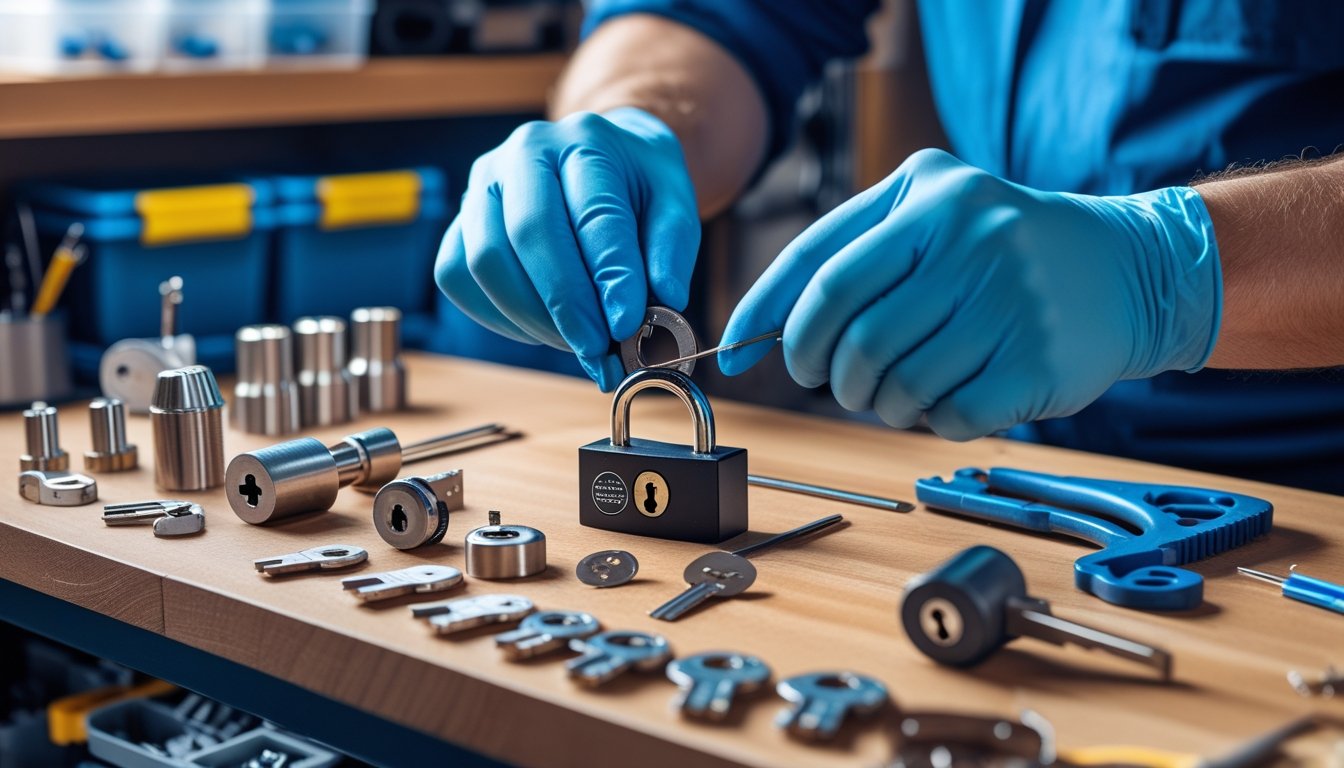
In this section, we aim to address the most common queries related to home lock maintenance, from service frequency and maintenance techniques to identifying warning signs and ensuring safety.
How often should locks be serviced to ensure optimal performance?
Regular servicing is crucial for maintaining the longevity and reliability of locks. It's generally recommended to inspect and service locks at least once a year. This helps in preventing potential malfunctions and ensures the locks remain secure and functional.
What are the signs that a lock is in need of maintenance or replacement?
Recognising the signs of wear and tear in locks is vital. Indicators such as difficulty in turning the key, a sticky or resistant mechanism, and visible rust or corrosion suggest that maintenance or replacement may be necessary. Early detection of these signs can help prevent complete lock failure.
What is the best method to lubricate a household lock?
Using the right lubricant can ensure smooth lock operation. Graphite powder is a preferred choice for most household locks as it effectively reduces friction without impairing the lock's internal components. Alternatively, a silicone-based lubricant can be used, especially in environments that are particularly damp or exposed to the weather.
Can a stiff or sticking lock be fixed without professional help, and how?
Yes, a stiff or sticking lock can often be remedied with some basic DIY solutions. Applying a suitable lubricant can resolve the issue in many cases. Additionally, checking for debris in the keyway and using a soft brush to clean out any dirt may help in restoring smooth movement.
What are the most common mistakes to avoid when maintaining home locks?
A common mistake is using oil-based lubricants, which can attract dirt and result in more jamming issues over time. Another error is neglecting the periodic inspection of locks, which can lead to undetected wear. Lastly, forcing a key into a misaligned lock could damage both the key and the lock.
What safety concerns should be considered while performing lock maintenance?
Safety is paramount during lock maintenance. Always ensure that the lock is not engaged or under pressure to prevent accidental injury. If using chemical lubricants, it's essential to follow the manufacturer's safety guidelines to avoid health hazards. Also, be cautious with tools to prevent damage to the lock or surrounding areas.