
Late updated: 25 Dec 2025 10:12
Written by: Elena Prescott
Home Security Innovations For 2024: Cutting-Edge Solutions
As we step into 2024, the landscape of home security is witnessing significant advancements that are reshaping how we protect our homes. Innovations such as AI-driven surveillance systems and smart locks now provide unparalleled security and convenience. These cutting-edge technologies ensure that our living spaces remain safeguarded against an ever-evolving array of threats.
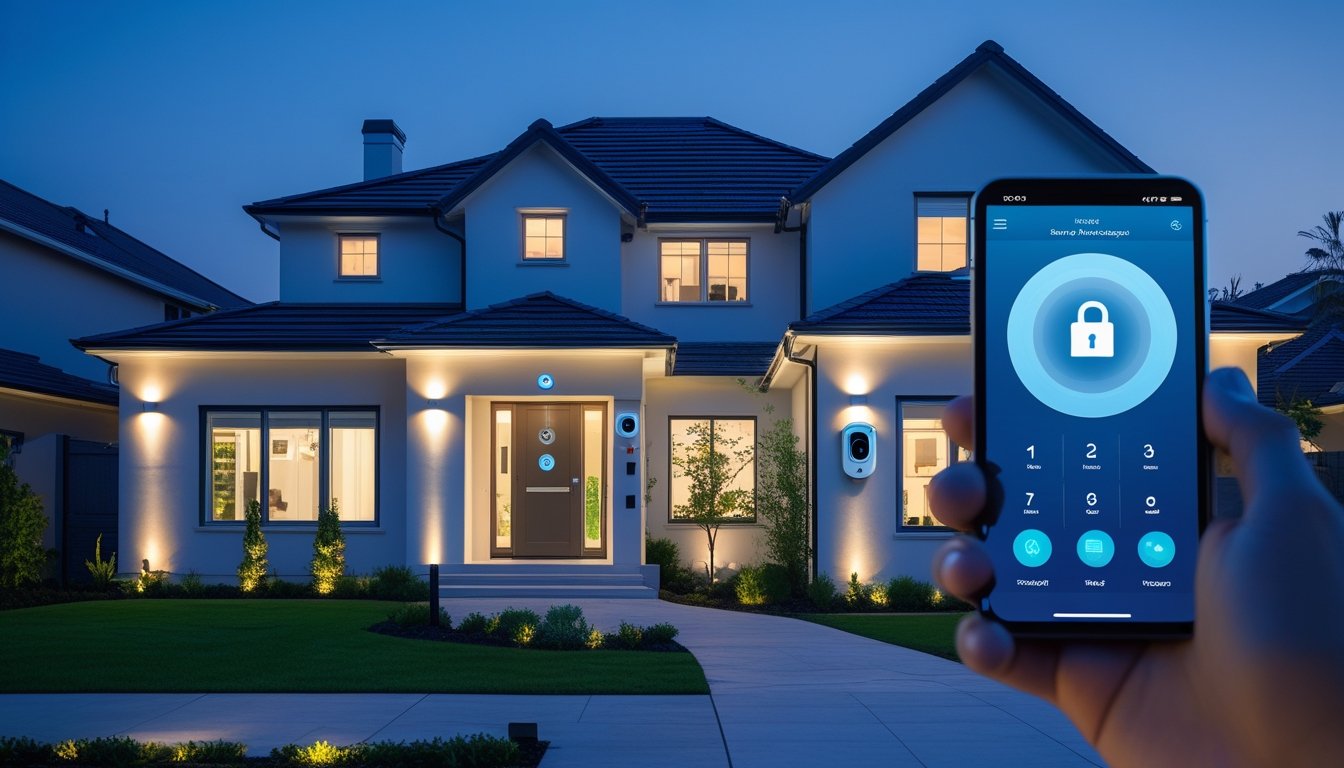
Our homes are becoming more than just places to live; they are smart environments capable of real-time protection and monitoring. AI, machine learning, and IoT integrations transform security systems into more efficient and responsive tools. With these advancements, we gain greater control over our home security from virtually anywhere, redefining peace of mind for homeowners.
In a world where security challenges are continually evolving, it's crucial for us to stay informed on the latest trends. The emphasis on cyber protection alongside physical security innovations marks a crucial shift in protecting our homes. As we delve into these contemporary security measures, we discover a future where technology not only shields but also empowers us.
Key Takeaways
- AI and smart technology are transforming home security.
- Real-time monitoring and remote control offer increasing convenience.
- Cybersecurity is now as crucial as physical protection.
Core Innovations in Home Security for 2024
Home security in 2024 is defined by significant technological advancements aimed at improving safety and convenience. Key areas of innovation include AI surveillance, which offers real-time threat detection; smarter locking systems providing enhanced access control; fully integrated security ecosystems; and advanced biometric systems, including facial recognition.
AI-Powered Surveillance and Real-Time Threat Detection
AI-powered surveillance systems are revolutionising how we monitor our homes. These systems utilise machine learning and predictive analytics to identify unusual activity, making real-time threat detection more efficient and precise. With facial recognition capabilities, these systems can distinguish between familiar faces and potential intruders. Such technology reduces false alarms and ensures timely alerts, empowering us to take immediate action. Smart doorbell cameras equipped with AI can differentiate between a passing vehicle, a delivery person, or an actual threat. This specificity enables us to maintain a constant but non-intrusive vigil over our properties, promising significantly enhanced security levels.
Smart Locks and Advanced Access Control
Smart locks are becoming central to home security, offering advanced access control solutions. These systems operate using encrypted digital keys, voice recognition, or biometric data like fingerprints, replacing traditional keys. We can manage our home access remotely, granting entry to visitors or delivery services via smartphone apps. This capability not only enhances convenience but also strengthens security by logging entries and exits. Smart locks can integrate with other smart home systems, allowing us to control access through voice commands or scheduled automations. The advanced control features include temporary keys and time-limited access, which are particularly useful for frequent visitors or service personnel.
Connected Home Security Ecosystems
The integration of smart home devices into a unified security ecosystem is a game-changer. These connected systems allow security devices, from cameras to sensors, to communicate seamlessly for comprehensive coverage. We can monitor and control our homes from anywhere through integrated apps, ensuring peace of mind regardless of our location. Collaboration between devices enhances home security by automating responses to triggers, such as locking doors when a threat is detected. Moreover, these ecosystems facilitate interoperability with third-party services, which can amplify security measures. This integration creates a more efficient and effective security solution, responding intelligently to our home's specific needs.
Biometric Security Systems
Biometric security systems are emerging as a cornerstone of modern home protection. Utilising unique physiological characteristics, like fingerprints and facial recognition, these systems ensure a higher level of security compared with traditional methods. Fingerprint door locks and facial recognition integrated with surveillance cameras are set to grow in popularity in 2024. Biometric data cannot be easily replicated, making it a robust security measure. These systems provide not only security but also convenience—our homes recognise us, eliminating the need for keys or codes. This technology enhances the trust and reliability of home security setups, making our spaces both secure and accessible with ease.
Emerging Trends and Enhanced Protection Measures
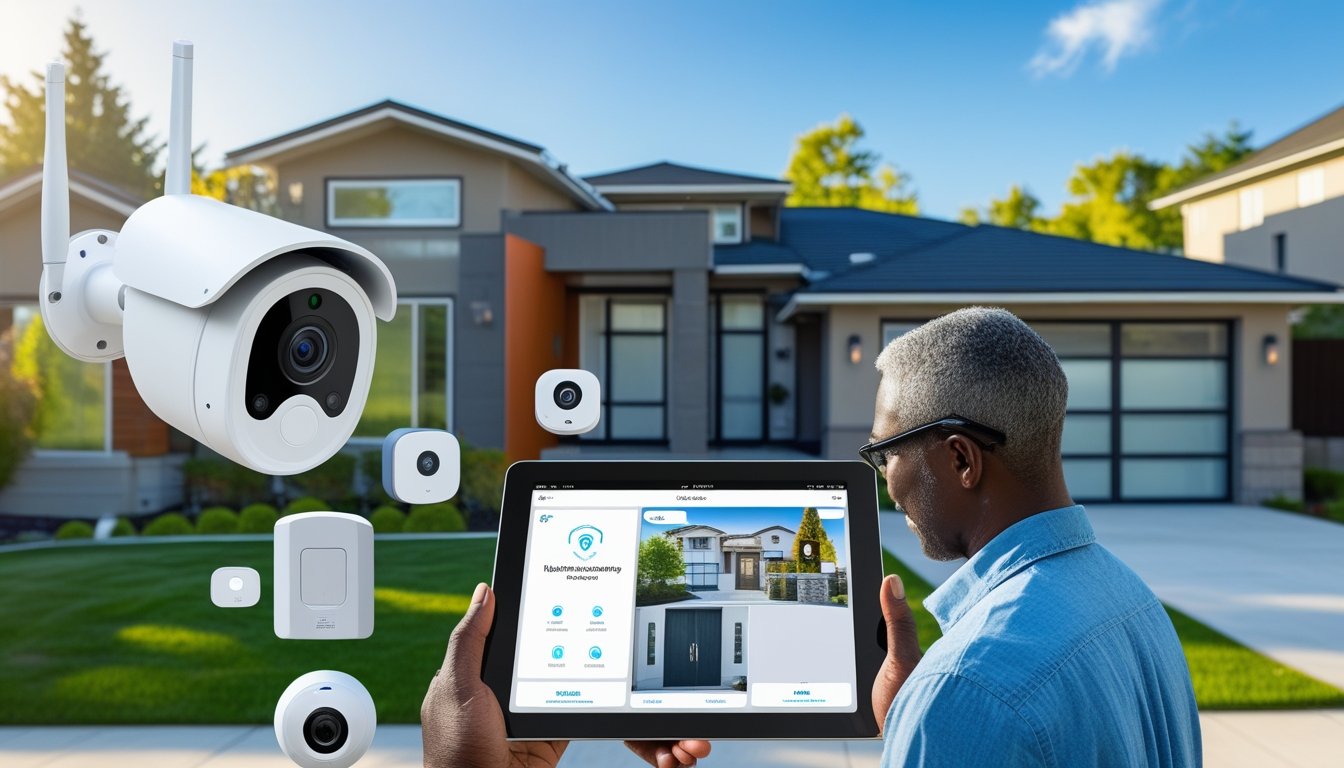
As the landscape of home security continues to evolve, we are witnessing a strong shift towards eco-friendly and sustainable solutions, the fortification of cybersecurity in our increasingly connected homes, and a rise in DIY and user-centric security products. These trends reflect the growing demand for adaptable and robust systems that safeguard our spaces.
Eco-Security and Sustainable Solutions
Eco-security, or green security, is gaining traction in the realm of home protection. Increasingly, homeowners are turning to solar-powered surveillance cameras, which offer energy efficiency and reduce carbon footprints. These cameras harness the sun's power to operate, often storing energy in batteries to ensure continuous operation even during power outages. By integrating motion sensors and energy-saving technologies, these solutions are not only sustainable but also enhance the overall effectiveness of home protection.
The shift towards eco-friendly security products is driven by growing awareness of environmental issues and a desire for energy independence. Manufacturers are now focusing on developing smart security products that align with these values, integrating features that offer reliable security without compromising on sustainability.
Cybersecurity in the Connected Home
In an era where our homes are becoming more interconnected, cybersecurity measures have never been more crucial. The prevalence of smart devices demands advanced cybersecurity to protect against digital intrusions. Our connected homes require encrypted Wi-Fi networks to act as a digital shield, preventing unauthorised access and safeguarding personal data.
Increasing threats have led to heightened awareness of the need for robust cybersecurity measures. Homeowners are encouraged to deploy advanced cybersecurity measures, such as firmware updates and secure passwords, to protect devices against potential breaches. This ensures that our home networks remain secure and our personal information protected from cyber threats.
DIY and User-Centric Home Security Products
DIY home security products are revolutionising the way we approach home safety. Offering a blend of affordability and convenience, these solutions cater to the growing preference for user-centric home protection solutions. With advancements in technology, consumers can install and manage these systems themselves, reducing costs associated with professional monitoring.
Smart security products now boast user-friendly interfaces and customisable settings that cater to individual needs and preferences. As more options become available, homeowners are empowered to tailor their security measures, striking a balance between cost and comprehensive protection. This trend underscores a shift towards personal empowerment in home safety, ensuring homeowners can effectively manage their security requirements.
Frequently Asked Questions
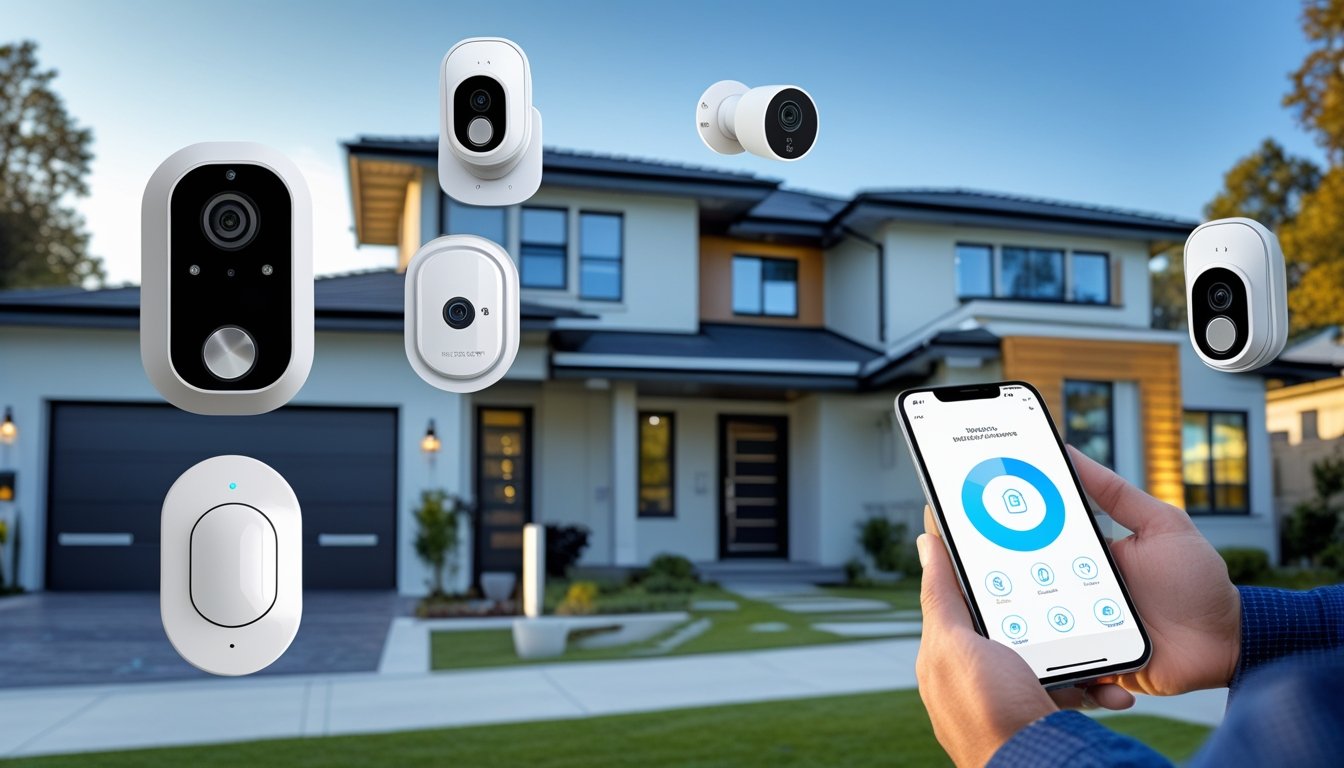
As we explore the latest in home security technology for 2024, biometric systems, AI enhancements, smart home integrations, and remote monitoring advancements take centre stage. These innovations are reshaping the ways we protect our homes and valuable assets with increased convenience and effectiveness.
What are the latest advancements in biometric security systems for residential properties?
Biometric security systems have seen significant improvements, now offering more sophisticated fingerprint, facial recognition, and even retinal scanning for home access. These systems are becoming more reliable and accessible for homeowners, providing an unmatched level of personalisation and security.
How are artificial intelligence applications enhancing home surveillance capabilities?
Artificial intelligence is revolutionising home surveillance by offering features such as real-time analysis of video feeds, identifying unusual activities, and intelligent threat detection. This allows us to respond more swiftly to potential security breaches.
What new integration features are available for smart home ecosystems to improve security?
Smart home ecosystems now enable seamless integration of various security devices, such as cameras and alarms, with central control systems. This maximises ease of use and ensures a comprehensive security approach through synchronised operation.
How has the adoption of IoT devices influenced home security technology?
The adoption of IoT devices has facilitated greater connectivity and interoperability among security gadgets. These devices can now communicate efficiently, allowing us to automate responses and monitor security in real-time, enhancing overall safety.
What improvements have been made in the field of remote security monitoring?
Remote security monitoring has been greatly enhanced with high-resolution video streaming and cloud storage solutions. These developments offer us the peace of mind that comes with the ability to access live footage and historical data from anywhere.
How are mobile devices being incorporated into home security management?
Mobile devices are becoming central to home security management, providing remote control, alerts, and access to surveillance feeds via dedicated applications. This ensures that we can manage and respond to security needs from afar, maintaining vigilance at all times.