
Late updated: 15 Dec 2025 14:12
Written by: Elena Prescott
Exploring Vintage Lock Styles for UK Homes: Timeless Security Solutions
Exploring the charm and practicality of vintage lock styles can transform any UK home, marrying historical elegance with modern security needs. Antique locks, whether mortise, thumb latch, or box locks, not only provide robust security but also add a touch of nostalgic aesthetics. Coupled with the right materials and craftsmanship, these locks maintain their functional integrity while showcasing timeless design.
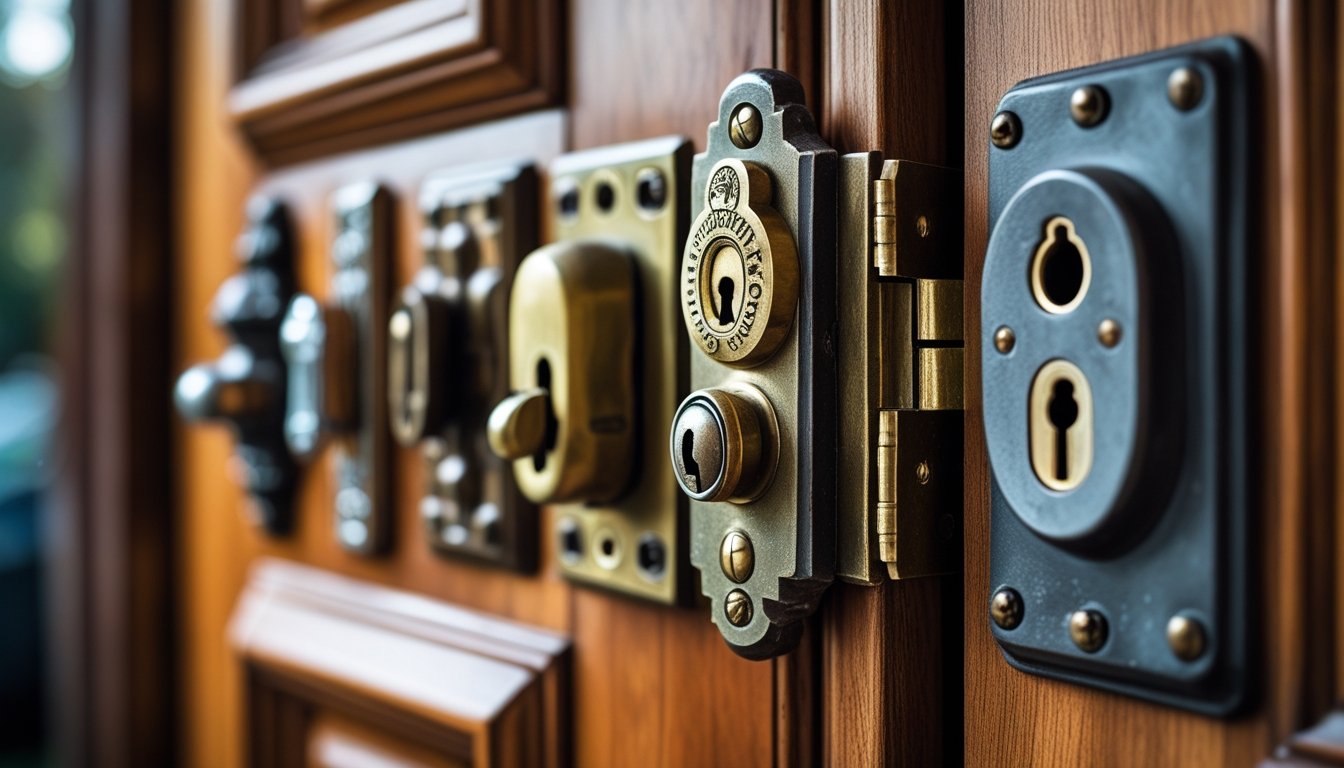
As we journey through these different lock styles, we uncover the varied craftsmanship and materials that define their unique character. These locks offer insight into the architectural eras they hail from, providing both functional security and serving as decorative highlights that complement homes with period features. Understanding these design elements enriches our appreciation of vintage locks, breathing new life into historic homes.
Exploring frequently asked questions adds an educational dimension to the fascinating world of vintage locks. We strive to address common inquiries that collect both enthusiasm and expertise, guiding you through selection and maintenance aspects. The timeless appeal of these intricately designed mechanisms invites us to consider not just a lock, but a piece of history that safeguards our homes.
Key Takeaways
- Vintage locks blend historical elegance with modern security.
- Design and craftsmanship offer insight into architectural eras.
- FAQs help guide selection and maintenance.
Key Vintage Lock Styles for UK Homes
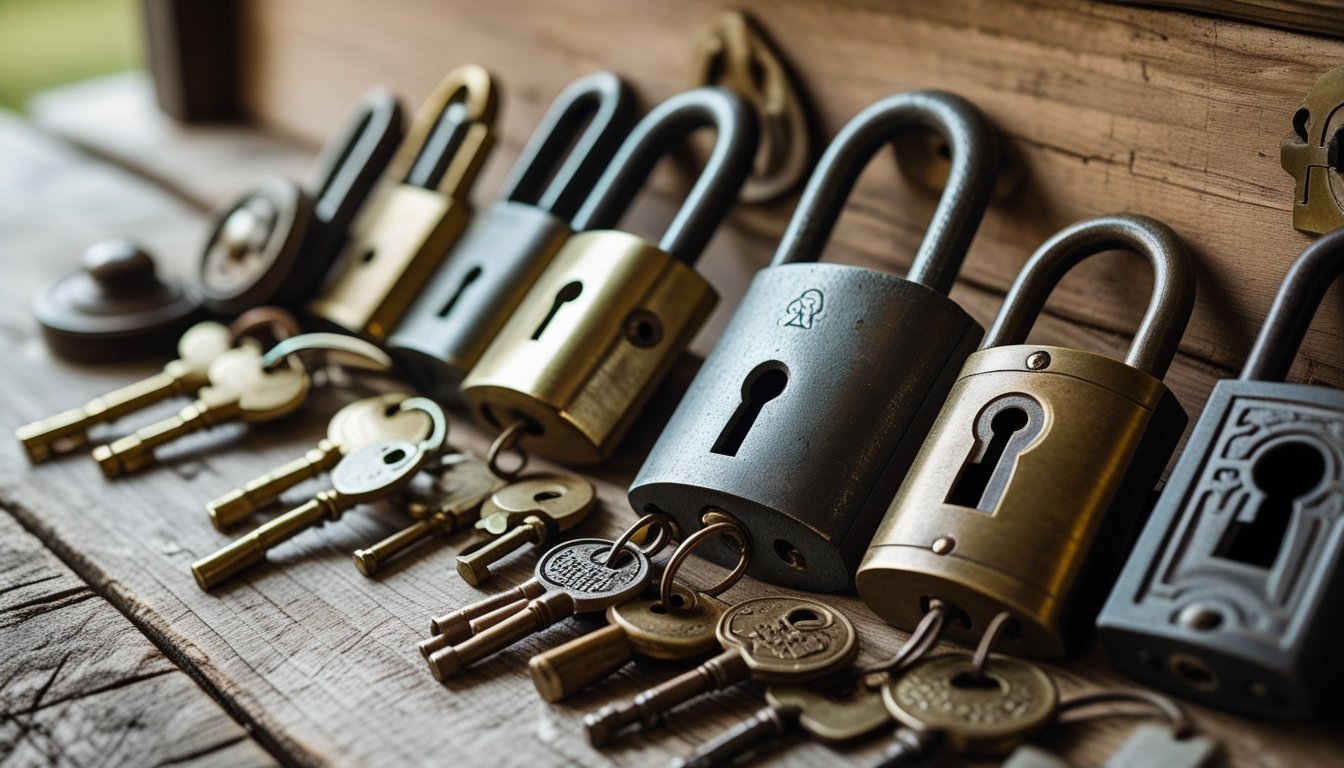
In the world of vintage locks for UK homes, understanding the different styles is essential. These locks not only add charm and authenticity but also provide functional security. Here, we explore several iconic types that have stood the test of time, each with unique characteristics and historical significance.
Mortise Locks and Their Evolution
Mortise locks have been a staple in UK homes for centuries. Originating in the Victorian era, these durable locks are set into a pocket cut into the edge of the door. Antique mortise locks often featured ornate designs, reflecting the craftsmanship of the period. The evolution of these locks has led to improvements in security while maintaining their aesthetic appeal.
Over time, modern variations have introduced enhanced mechanisms, yet they continue to emulate the traditional style. The horizontal mortice lock, with its sideways orientation of keyhole and handle, is favoured for maintaining period aesthetics. As original mortise locks age, refurbishment becomes a common practice, often requiring the creation and fitting of reproduction keys to match the original design.
Rim Locks and Latches in Historic Properties
Rim locks, also known as surface-mounted locks, are another vintage style that finds its place in many older UK homes. Common before the widespread use of mortise locks, these are mounted on the door's surface and are popular in historic properties for their distinctive appearance and straightforward installation.
Their typically cast-iron construction often features beautifully crafted covers. Vintage rim locks can include integrated latches, making them versatile for various door types. Due to their historical usage and design, they are a popular choice for those looking to maintain the authentic look of a period property. Restoring these locks is a specialised task that requires attention to detail, ensuring they function correctly while preserving their vintage charm.
Padlocks: Decorative and Practical Uses
While not exclusively used on doors, padlocks are valued for their practicality and decorative potential. Often made from heavy brass or iron and featuring intricate designs, vintage padlocks serve both decorative and functional purposes in UK homes, particularly in gates and outbuildings.
Collectors and enthusiasts appreciate antique padlocks for their variety and historical value. These locks often feature unique locking mechanisms, reflecting the ingenuity of past eras. Modern reproductions strive to capture the original style, providing both security and an element of historic decoration to any setting. Their portability and versatility make them an enduring choice for securing various types of access points around the home.
Specialty and Box Locks
Specialty and box locks are less commonly found yet offer unique features for vintage enthusiasts. Box locks, often used in conjunction with furniture or chests, boast a compact design suitable for interior applications. These locks are valuable for their intricacy and the skill involved in their original manufacture.
Specialty locks can include a variety of types, each providing specific functions or aesthetic enhancements to the property. Whether it’s a decorative brass detail or a precise locking mechanism, these styles add an element of historical depth to UK homes. The crafting and restoration of these locks require expert knowledge, ensuring their continued use without losing their heritage appeal.
Craftsmanship, Materials, and Design Features
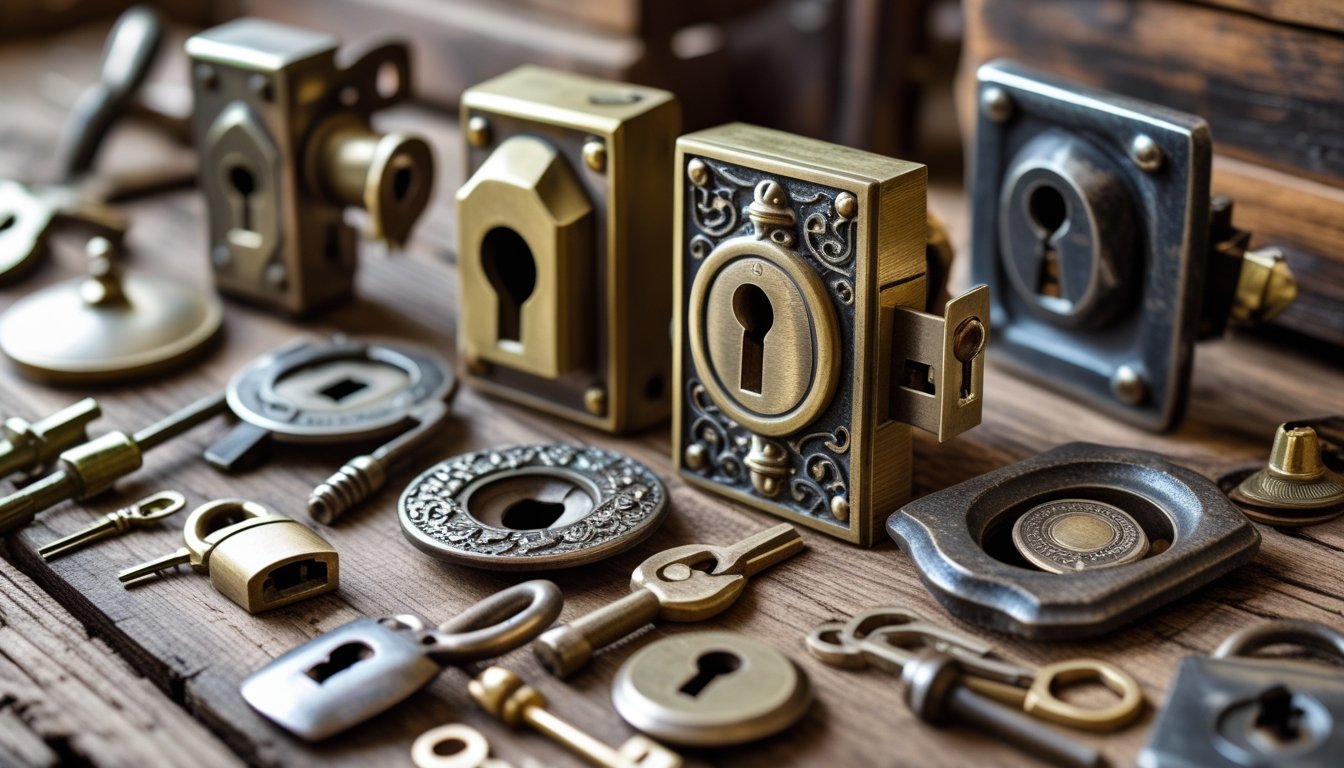
Exploring vintage lock styles reveals intricate craftsmanship and a variety of materials, showcasing the rich history of lock-making in the UK. From artistic engravings to functional design, each element contributes to both the aesthetic and practical appeal of these historical treasures.
Intricate Engravings and Artistic Details
The art of engraving on vintage locks underscores the importance of aesthetics in historic home decor. Many old locks display detailed engravings and artistic embellishments that reflect the era’s preferences and the artisan’s personal flair. These designs often featured floral motifs, geometric patterns, or even bespoke family crests. Such engravings were more than decorative; they signified the quality and uniqueness of each piece. We see this attention to detail particularly in the lever and deadbolt mechanisms, where artisans would personalise their creations, enhancing the visual appeal and indicating the locks’ bespoke craftsmanship. These adornments invite admirers to appreciate locks not just as functional items, but as historical artefacts with stories etched in metal.
Materials: Brass, Iron, and Cast Iron
The choice of materials in vintage lock-making traditionally reflected both availability and durability. Brass was, and remains, a popular choice due to its corrosion resistance and workability, allowing detailed engravings. Iron, including cast iron, was favoured for its sturdiness and strength. Each material offered distinct advantages: brass provided a warm, golden hue and resistance to tarnishing, while cast iron offered a robust feel, ideal for exterior doors exposed to the elements. In period homes, a blend of these materials often highlighted different elements of door furniture, such as door handles or escutcheons. These materials weren't just chosen for their functionality; they also played a pivotal role in conveying the period's design aesthetic, whether it be the ornate Victorian style or the more streamlined Arts & Crafts movement.
Lock Technology and Mechanisms
The evolution of lock technology during the Industrial Revolution introduced new mechanisms that dramatically improved security and utility. Notable innovations include the pin tumbler locks and lever locks, widely respected for their reliability and resistance to tampering. Mortice locks, another staple, often served as the mainstay for securing doors, frequently combined with complex deadbolt mechanisms to enhance security. The development of warded locks added an extra layer of protection by employing complex keyhole patterns. These technological advancements weren't solely driven by security needs but also aimed to improve usability. The introduction of the night latch around this era provided a convenient solution for added security without compromising on ease of use, a balance that resonates well with many of us today appreciating both traditional design and modern functionality.
Door Furniture and Accessories
Complementing the locks themselves, vintage door furniture and accessories like door handles, escutcheons, and keyhole covers play a significant role in creating a cohesive design statement. These elements not only support the lock mechanism but also enhance the door’s overall aesthetic. Keyhole covers, often brass or wrought iron, protect keyholes from dust and provide an additional decorative element. Escutcheons frame the keyhole and work in harmony with door handles, which can vary from ornate to simple in design, depending on the style and period. These components are carefully crafted to match or contrast the lock, adding layers of sophistication. Together, they form a unified look that resonates with the architectural style of the home, reinforcing the doors' historical and aesthetic significance.
Frequently Asked Questions
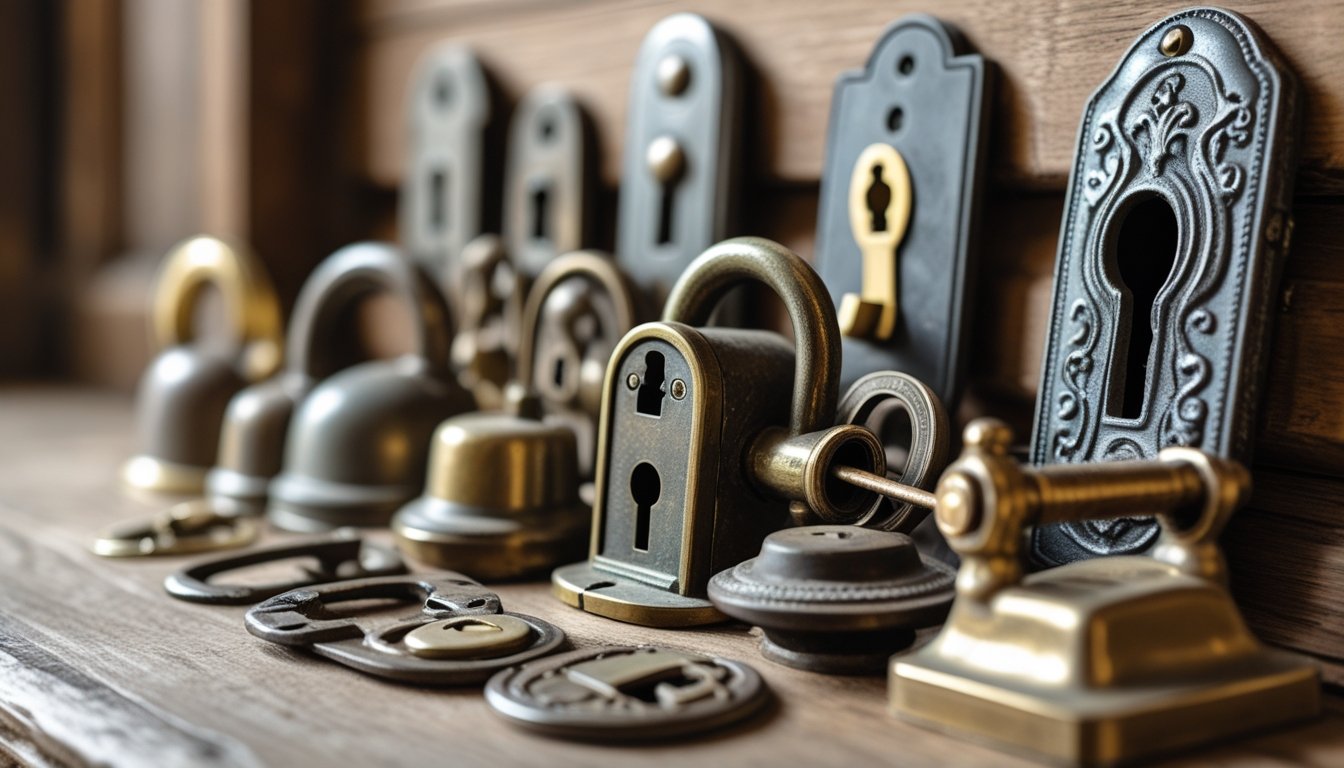
In our journey to explore vintage lock styles for UK homes, we delve into various aspects, from their distinctive characteristics to their integration with modern security systems. This section addresses common queries that arise when dealing with period locks, providing clarity and insights.
What are the defining characteristics of vintage locks commonly used in British homes?
Vintage locks in British homes are often recognised by their intricate designs and durable materials. Warded locks, for instance, feature a complex internal structure that deters tampering. Mortice locks, on the other hand, are favoured for their seamless blend into wooden doors, preserving the aesthetic of period properties.
How does the functionality of classic British lock mechanisms differ from modern ones?
Classic locks, such as pin tumbler and lever locks, rely on mechanical precision and craftsmanship. Unlike electronic systems, these traditional mechanisms offer a tactile experience with physical keys. While modern locks may provide convenience through keypads or smart integration, vintage locks boast a timeless appeal rooted in manual operation and historical significance.
Can antique British home locks be integrated with contemporary security systems?
Yes, it is possible to enhance antique locks with modern technology without compromising their historical appeal. We can fit additional security measures, like secondary deadbolts or electronic monitoring systems, to complement the existing locks. This approach retains the vintage character while providing modern security benefits.
What maintenance practices are recommended for traditional lock styles in the UK?
Regular maintenance is crucial for the longevity of vintage locks. We recommend periodic cleaning to prevent the build-up of dust and debris. Applying lubricant to the moving parts can ensure smooth operation. Additionally, it is wise to inspect for any wear and tear, addressing issues promptly to maintain both security and aesthetic value.
Which eras of British history produced the most notable lock designs for domestic use?
Several periods in British history contributed notable lock designs. The Victorian era is renowned for its ornate locks with detailed craftsmanship, reflecting the technological advancements of the time. The Georgian period also produced elegant lock mechanisms with an emphasis on functionality and aesthetics.
What should one consider when restoring period locks to retain authenticity in UK properties?
Restoring period locks requires a careful balance between preservation and functionality. We must use original materials or faithful reproductions to maintain authenticity. When replacing parts, it's essential to ensure new components do not detract from the lock's historical integrity while still allowing it to function correctly in a modern setting.