
Late updated: 01 Jan 2026 13:01
Written by: Elena Prescott
Building Strong Security Foundations for New UK Homes: Essential Guidelines
In crafting homes that are both comfortable and secure, understanding the basics of building strong security foundations is essential for new UK homeowners. While creating a welcoming environment is important, it’s equally crucial to focus on robust security measures that protect our cherished investment. A well-designed security plan not only safeguards our home but also enhances its overall value and longevity.
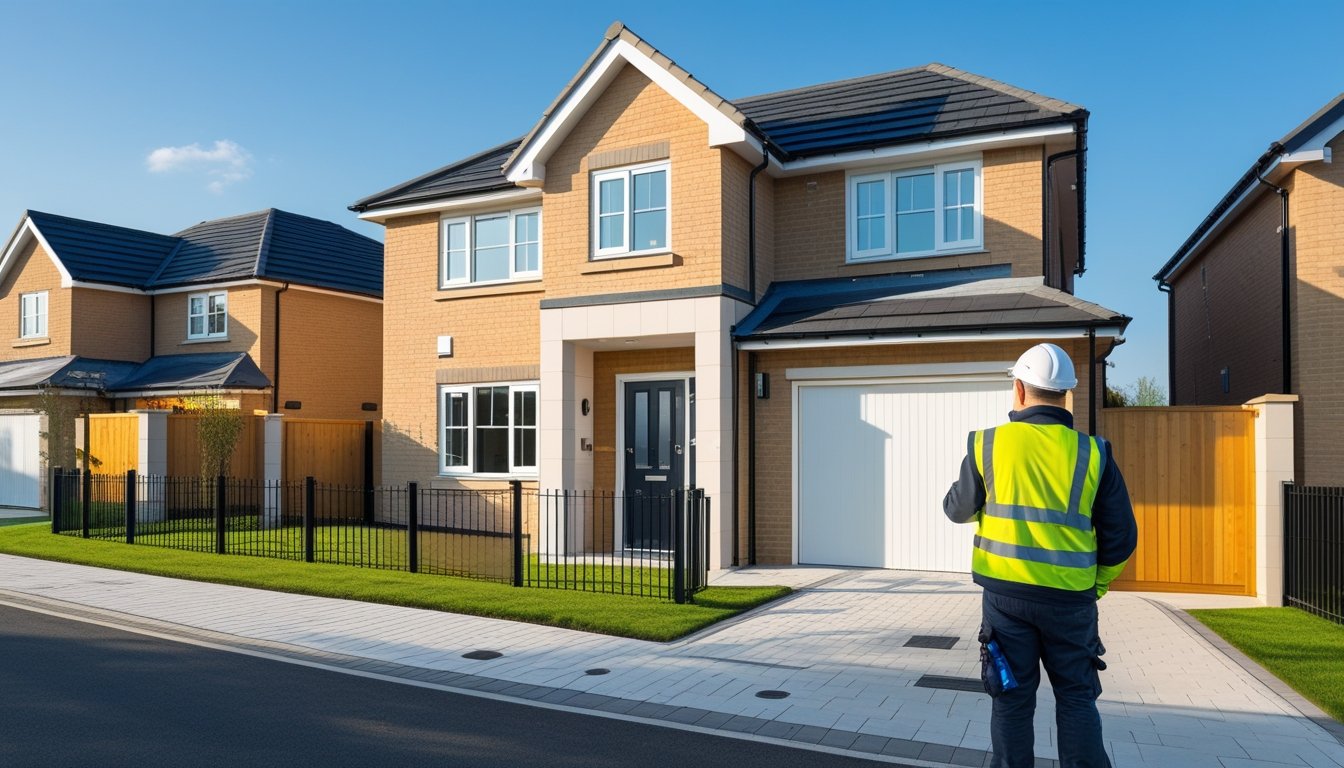
The foundation of any security strategy begins with a thorough evaluation of potential vulnerabilities and addressing them with modern solutions. By investing in advanced security systems and integrating them into the structural design, we ensure that our homes can withstand threats effectively. These measures not only deter intruders but also offer peace of mind, allowing us to enjoy our living space to the fullest.
Engaging with this discussion, we delve into the core principles of selecting and constructing security measures that provide lasting protection. As we explore the essential steps and considerations, our confidence in securing our homes grows exponentially.
Key Takeaways
- Strong security foundations increase home value and safety.
- Evaluating vulnerabilities is key to effective security.
- Integrating advanced systems enhances protection.
Core Principles of Building Strong Security Foundations for New UK Homes

The strength and security of new homes in the UK start from the ground up. Establishing a secure foundation involves understanding the site conditions, designing appropriate foundation systems, adhering to building regulations, and ensuring rigorous inspection.
Site Survey and Soil Investigation
A thorough site survey is our first step to building a secure foundation. We conduct a detailed soil investigation to understand the soil type and ground conditions. This information is critical as different soil types, such as clay, sand, or silt, can significantly influence the foundation design. By analysing the soil's bearing capacity and groundwater levels, we determine the most suitable type and depth for the foundation. This evaluation aids in planning the layout and setting out the structure efficiently, thus mitigating the risks associated with soil movement or groundwater fluctuations.
Foundation Design and Engineering Requirements
Foundation design in the UK must be meticulously crafted to ensure long-term stability and security. Our engineering teams assess the structural loads and determine the appropriate foundation depth and type, such as pile or strip foundations. The aim is to spread the load evenly and prevent differential settlement. We collaborate closely with structural engineers to address specific challenges posed by the site's unique conditions. This includes altering foundation depths in response to varying soil strengths under the same building footprint. Engineering expertise ensures that foundations are not just strong but also resilient to environmental stresses like flooding or frost.
Compliance with UK Building Regulations
Adhering to UK building regulations is non-negotiable for new home foundations. These regulations define minimum foundation depths and specify requirements to ensure structural safety and security. We integrate building regulations into our planning and design processes to meet or exceed these standards. Compliance involves using appropriate materials and construction methods that align with legal guidelines. By doing this, we ensure the foundations contribute to the structural integrity of the entire building. Knowing the rules and applying them rigorously is part of our commitment to building safe and secure homes.
Inspection and Building Control
Inspection plays a crucial role in maintaining standards throughout the construction process. Building control officers conduct assessments at key stages to verify compliance with regulations. These inspections are not just formalities; they are essential checkpoints where actual conditions are compared against design expectations. We coordinate with building control to address any issues that may arise, ensuring any discrepancies are corrected promptly. By doing so, we maintain the highest standards of safety and security, giving homeowners peace of mind. Consistent monitoring and verification are integral to delivering a secure final product.
Selecting and Constructing Foundations for Lasting Stability

Creating durable foundations is crucial for ensuring the long-term stability of new UK homes. The successful selection and construction of foundations involve choosing the correct type suited to soil conditions, following construction best practices, and employing effective moisture protection. Each aspect is vital for the structural integrity and resilience of our homes.
Foundation Types and Their Suitability
Choosing the right foundation is pivotal for the stability of a home. Common foundation types include shallow and deep foundations. Shallow foundations, such as strip and pad foundations, are often used for residential properties on stable ground. They're cost-effective and easier to construct. Strip foundations work well on rocky ground, while pad foundations are suitable for light structures.
Deep foundations, like piled and caisson foundations, are used where the soil lacks sufficient load-bearing capacity. These are more complex and involve transferring building loads deep into the earth. In clay soils prone to significant movement, piled foundations offer stability. Meanwhile, raft foundations spread loads over large areas, ideal for buildings with uneven weight distribution. We must carefully assess ground conditions and project specifications to select the optimal foundation type.
Foundation Construction Best Practices
Quality construction practices ensure foundation strength and durability. The process begins with precise excavation and thorough preparation of the site. Accurate foundation design, aided by CAD software, enables precise measurements. Proper backfilling after excavation supports load distribution and prevents soil settlement.
Installation of a damp-proof course and appropriate drainage systems is critical. These elements protect against moisture ingress, which can undermine structural integrity. Ventilation systems also play a role in maintaining a dry environment. Using reinforced concrete slabs enhances structural strength, especially where a high load-bearing capacity is required. Adhering to building regulations and securing any necessary party wall agreements ensure compliance and neighbourly consent for shared walls.
Moisture Protection and Environmental Measures
Protecting foundations from moisture damage involves both waterproofing and considering environmental impacts. Installing a damp-proof membrane beneath concrete floors and walls prevents rising damp. It acts as a barrier, safeguarding against moisture seeping into foundational materials. Proper waterproofing around the foundation prevents water accumulation, crucial in wet or high-water table areas.
Monitoring environmental factors is equally important. For instance, clay soils expand and contract with moisture changes, so it's vital to employ flexible foundation designs in such terrains. Incorporating environmentally friendly groundworks and considering local drainage and weather conditions support sustainability and longevity. By addressing moisture and environmental challenges, we enhance the durability and resilience of house foundations.
Frequently Asked Questions

Our focus is on understanding the importance of security measures for new homes in the UK, including integrating smart technology, adhering to privacy laws, and the role of landscaping.
What are the latest standards in physical security features for new homes in the UK?
UK building regulations emphasize robust physical security standards. New homes often incorporate reinforced doors and windows, secure locks that meet British Standard BS 3621, and proper perimeter security measures such as high fencing.
How can smart technology be integrated to enhance home security for new UK residences?
Smart technology plays a significant role in enhancing home security. Many new UK homes feature smart locks, security cameras, and alarm systems that can be controlled via smartphone apps, providing real-time alerts and remote monitoring for homeowners.
What best practices should homeowners follow to maintain a strong security posture over time?
Homeowners should regularly update their security systems, check for any vulnerabilities, and ensure all software is up-to-date. Regular maintenance of physical features like locks and alarms is crucial for ongoing security.
How do privacy laws in the UK impact the use of surveillance equipment in residential areas?
In the UK, privacy laws such as the Data Protection Act 2018 govern the use of surveillance equipment. It’s important for homeowners to place cameras in a manner that respects neighbours' privacy, ensuring they focus only on their property.
What role does landscaping play in reinforcing the security of new home developments?
Landscaping is a key element in security design. Strategic placement of thorny bushes under windows and the use of gravel paths for noise can deter intruders. Clear visibility lines and well-lit exteriors further enhance security.
What are the implications of the UK's building regulations on residential security measures?
Building regulations in the UK incorporate specific security measures to be included during construction. These include standards for window and door strength, as well as requirements for fire safety and emergency access points.